
Roman Sling Bullets: Insults Cast in Lead
Roman Sling BulletsSling BulletGlandesGlansLead Sling BulletRoman Slingers
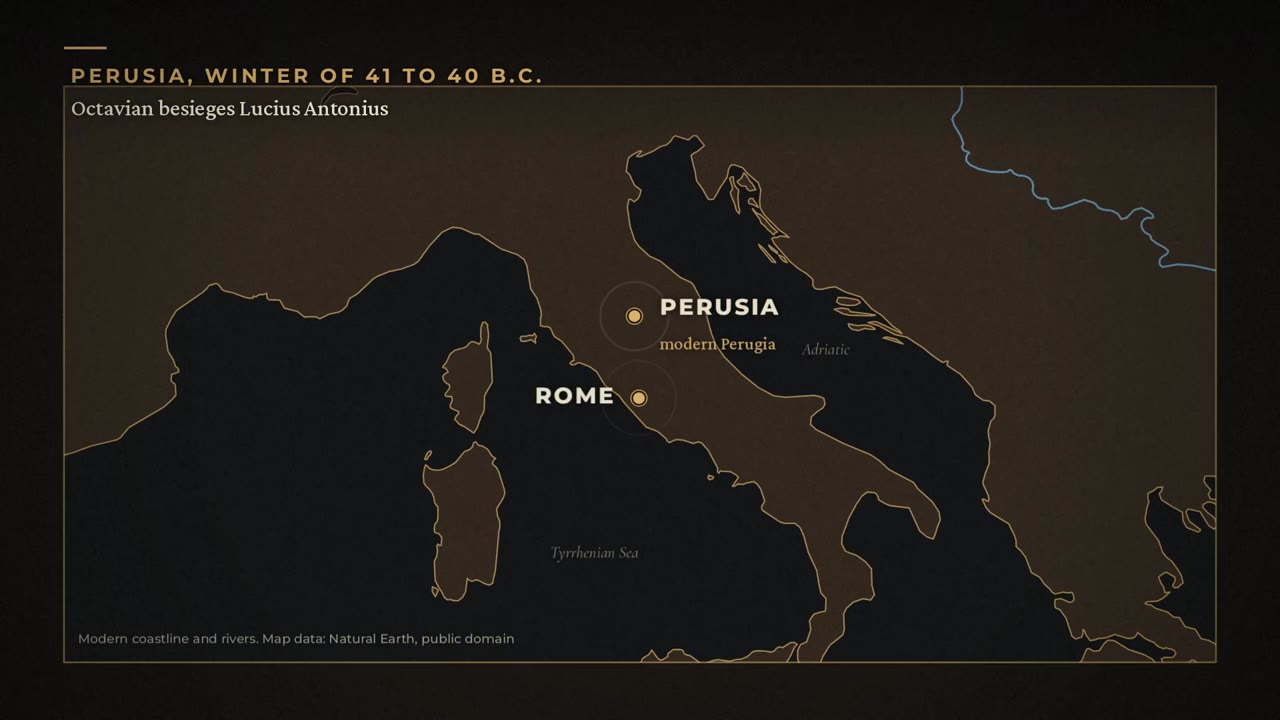
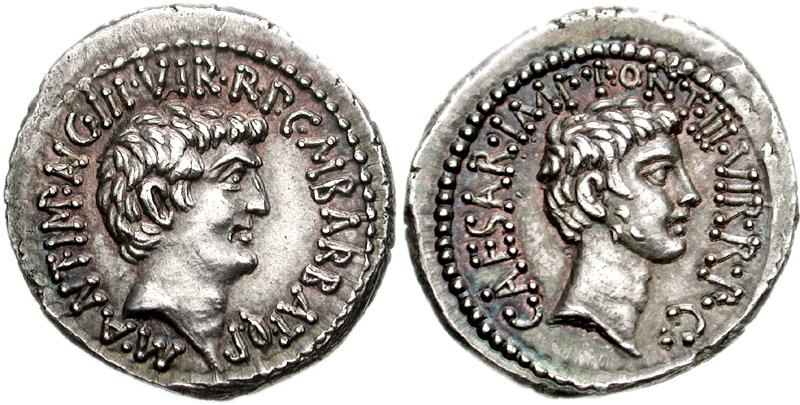
A lump of lead, about 4.5 centimetres long. It weighs 60 grams. On one side, a thunderbolt. On the other, raised letters: the number of a legion, the eleventh, and two words. DIVOM IVLIVM. The deified Julius. It was found at Perugia, in Italy. There, in the winter of 41 to 40 B.C., the young Octavian, the future Augustus, was starving out an army of his rivals. His side, scholars think, slung bullets like this one at the town. And this is one of the polite ones.
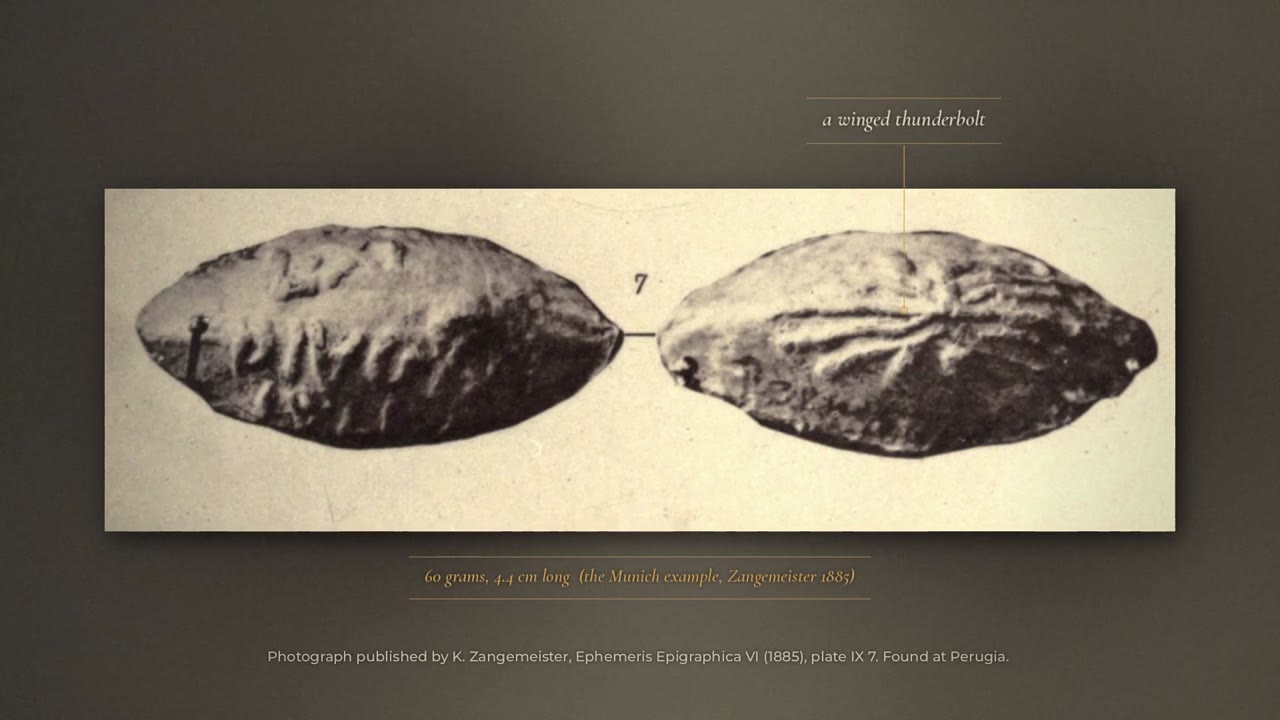
Glandes. Roman sling bullets. Today we're asking what these bullets were, what has been dug up, and what the texts really say. Because some of these little lumps of lead carry words. Messages, slung at the enemy.
What is a glans?
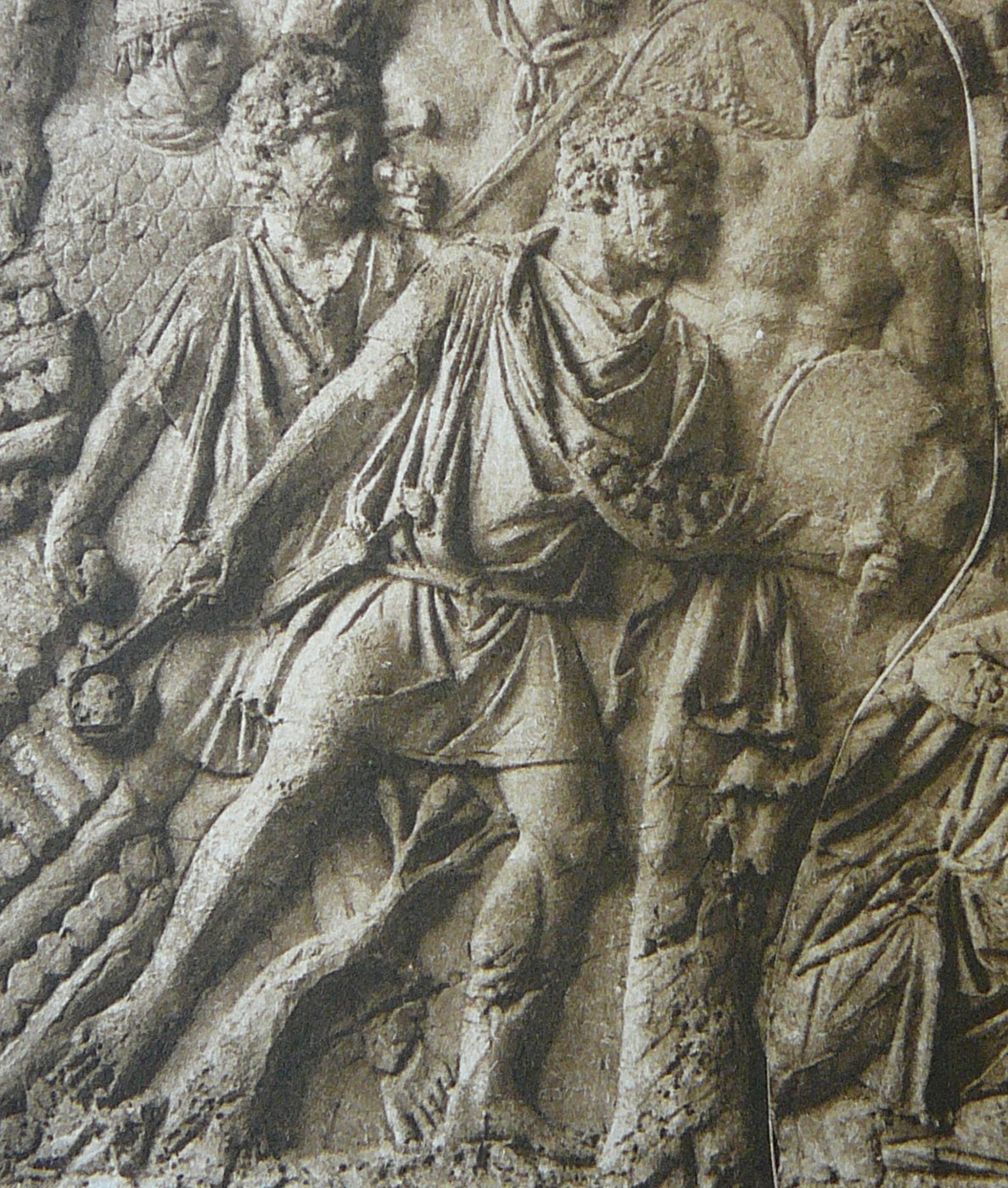
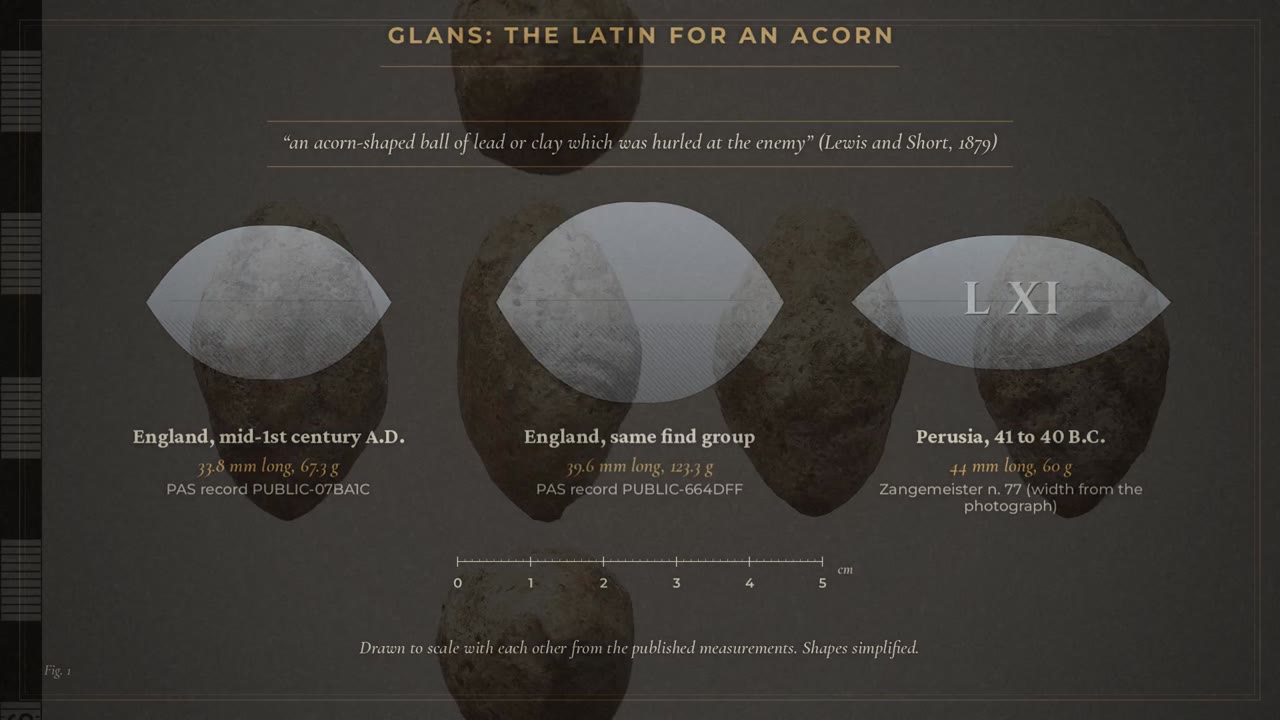
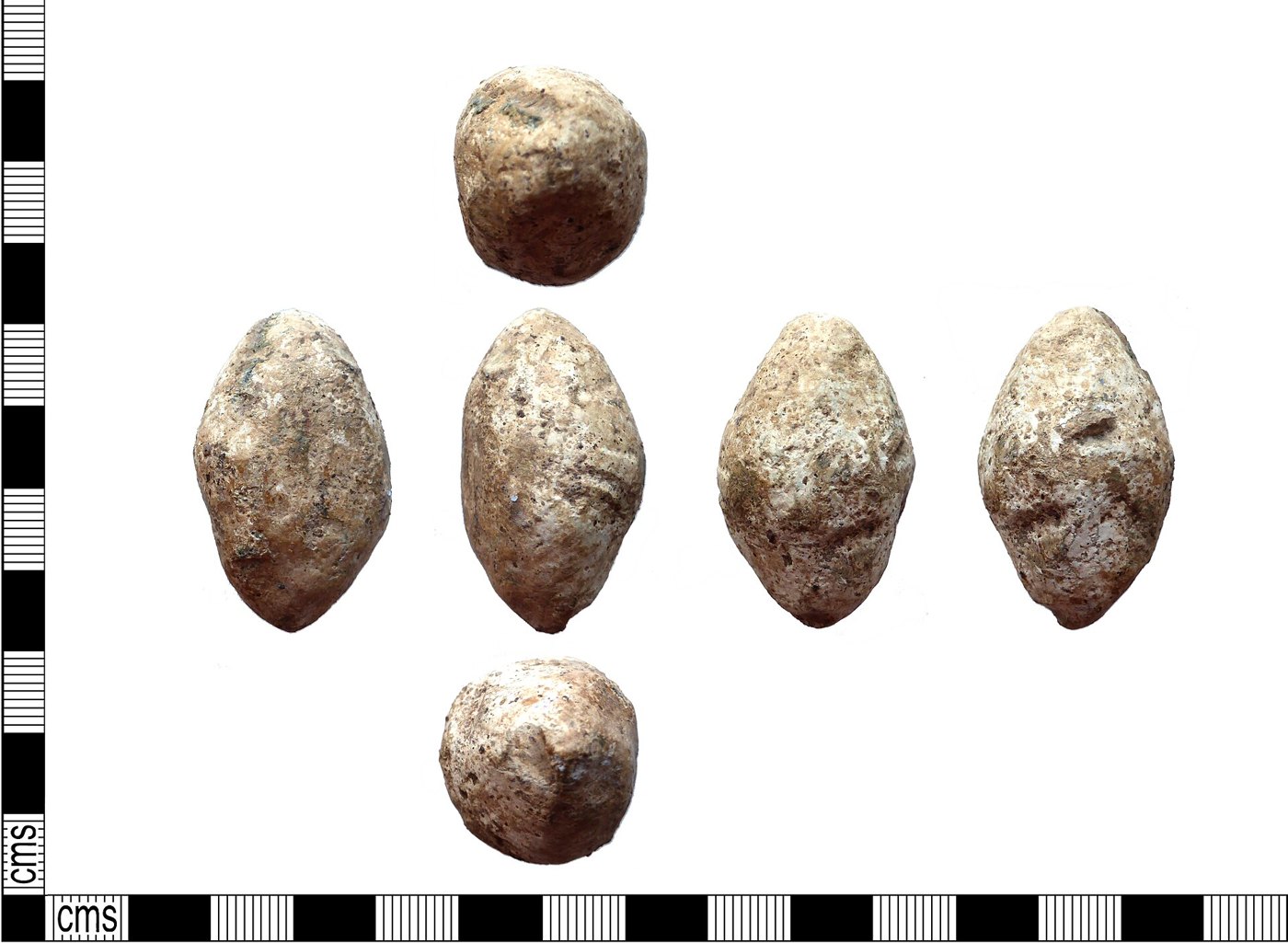
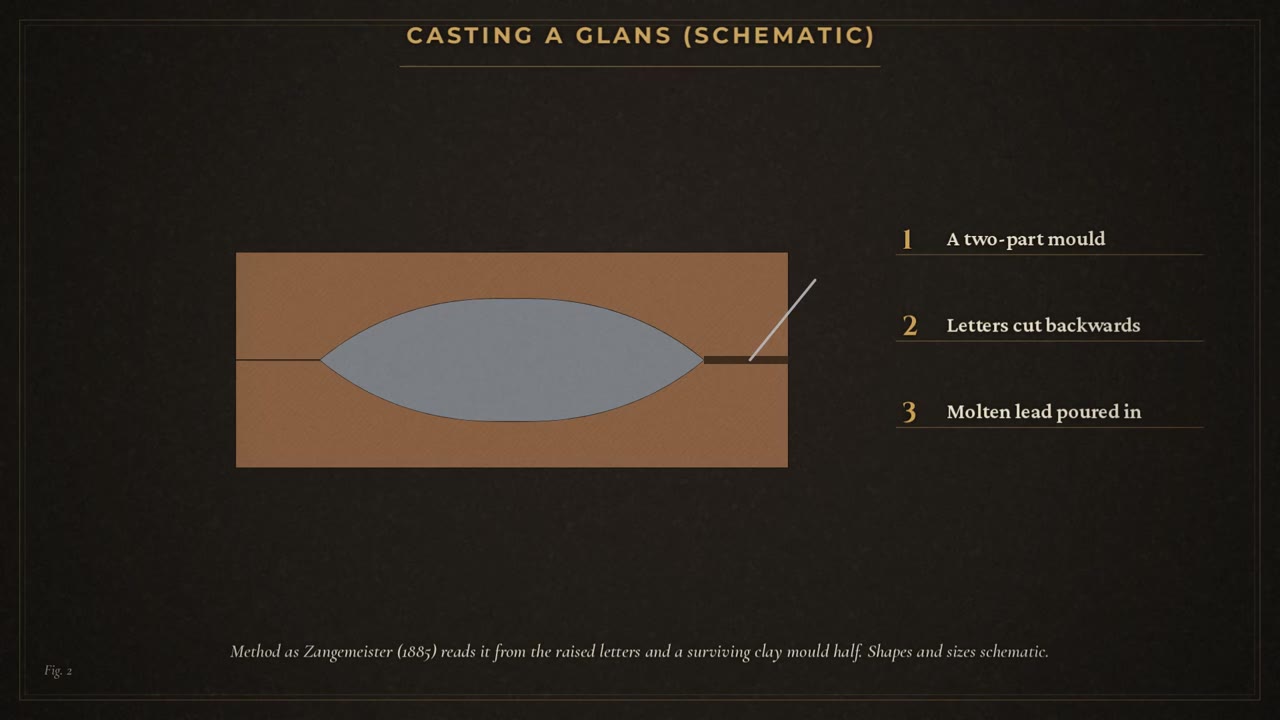
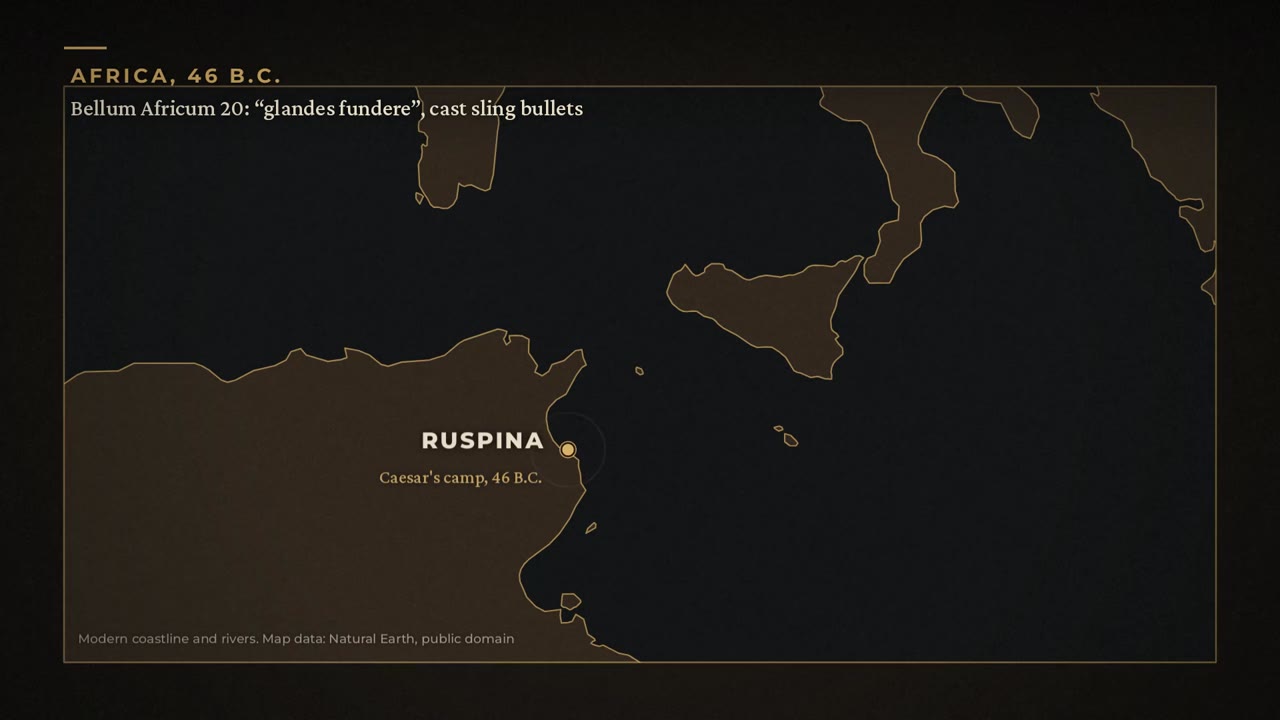
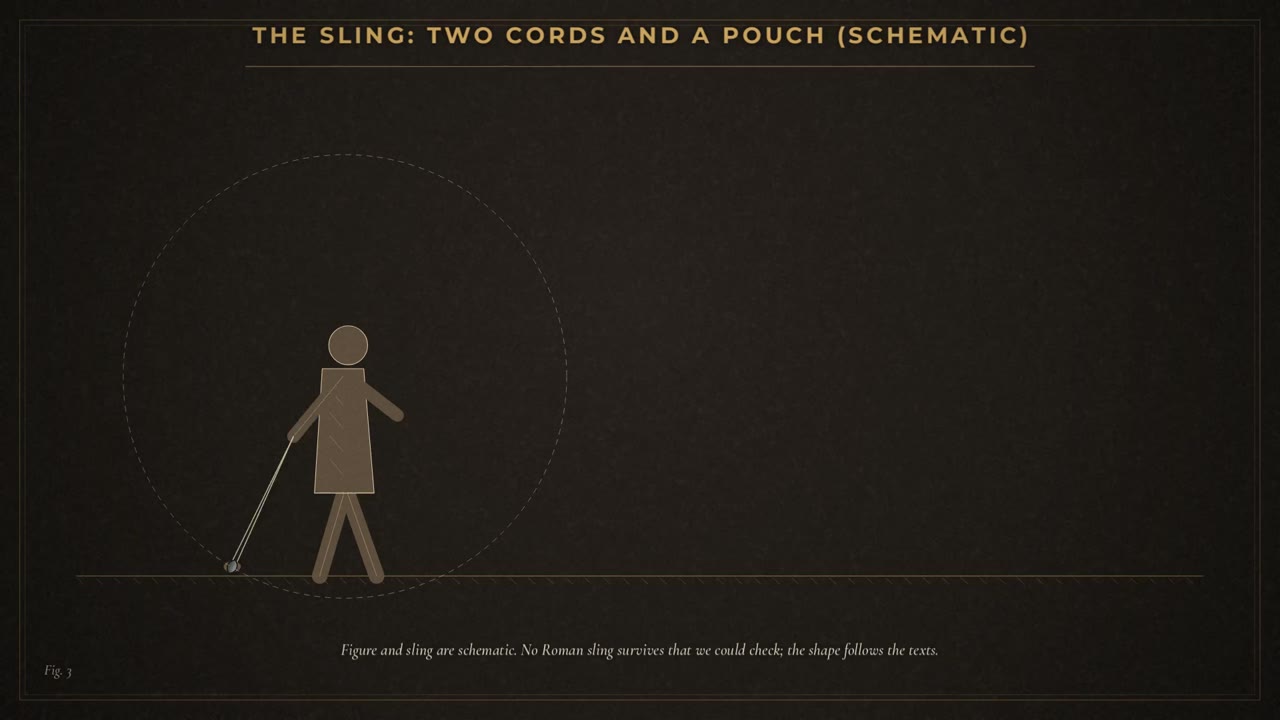
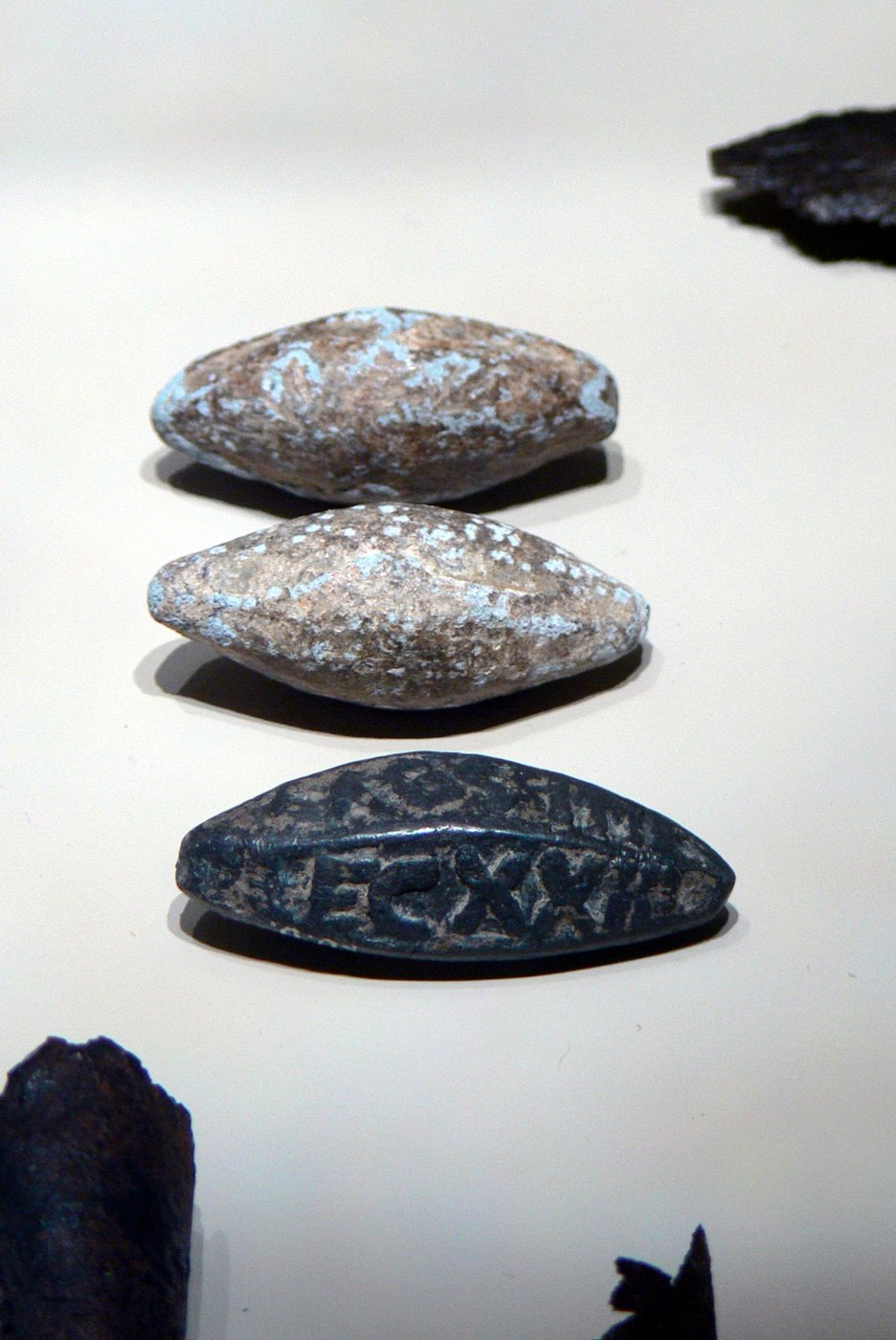
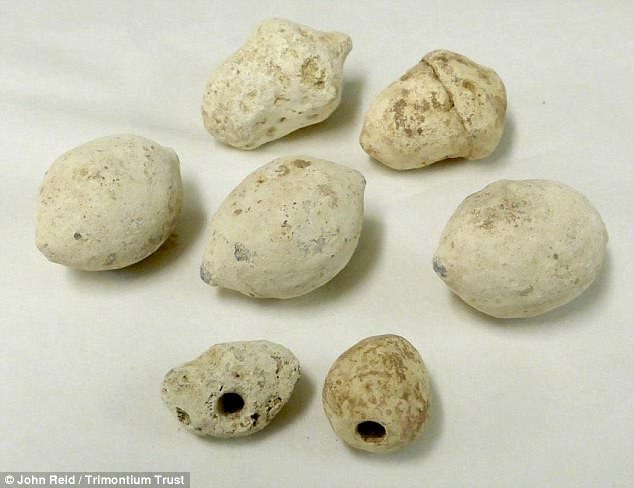
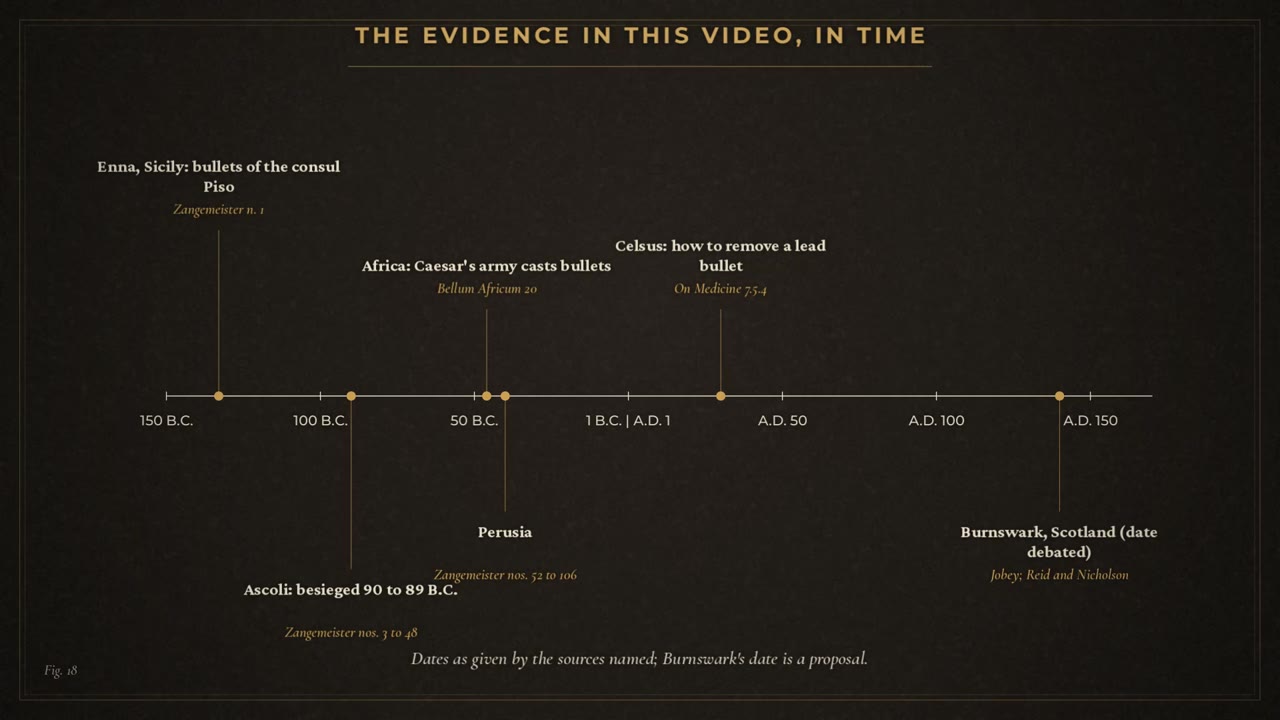
So, what is a glans? The Latin word means an acorn. The great Latin dictionary of Lewis and Short calls the missile an acorn-shaped ball of lead or clay, hurled at the enemy. Many Roman ones look more like an almond or a lemon, pointed at both ends. These, found together in England, weigh from about 67 to 123 grams. They were cast. Molten lead went into a two-part mould. Any letters were cut backwards into the mould, so they came out raised and readable on the bullet. And the army cast them itself. In Africa, in 46 B.C., the unknown author of the African War writes that Caesar's army set up smithies, cast sling bullets, and sent to Sicily for lead. The weapon that threw them was simple. Two cords and a pouch. The late Roman writer Vegetius says slings were made of flax or of hair.
The siege of Perusia
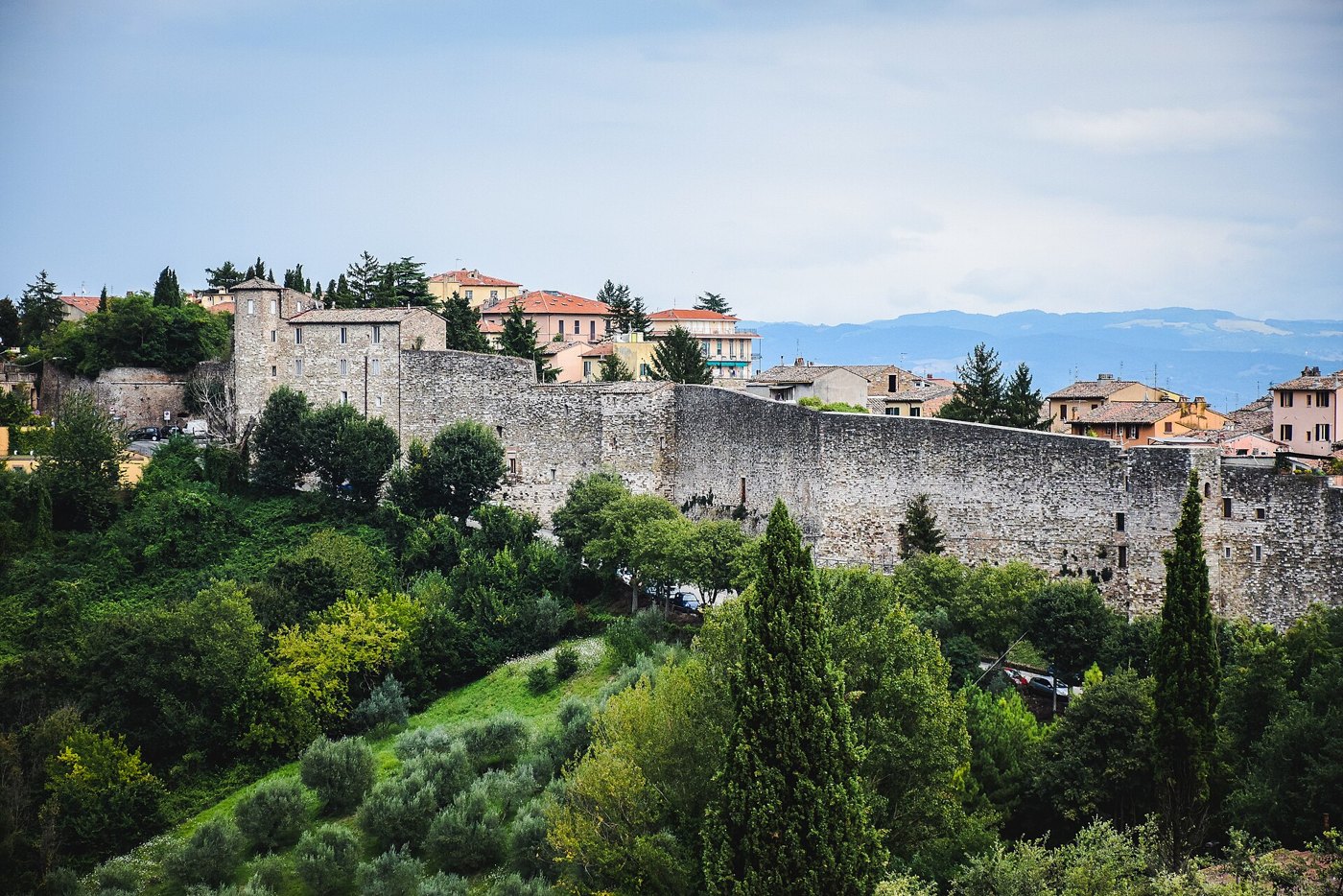
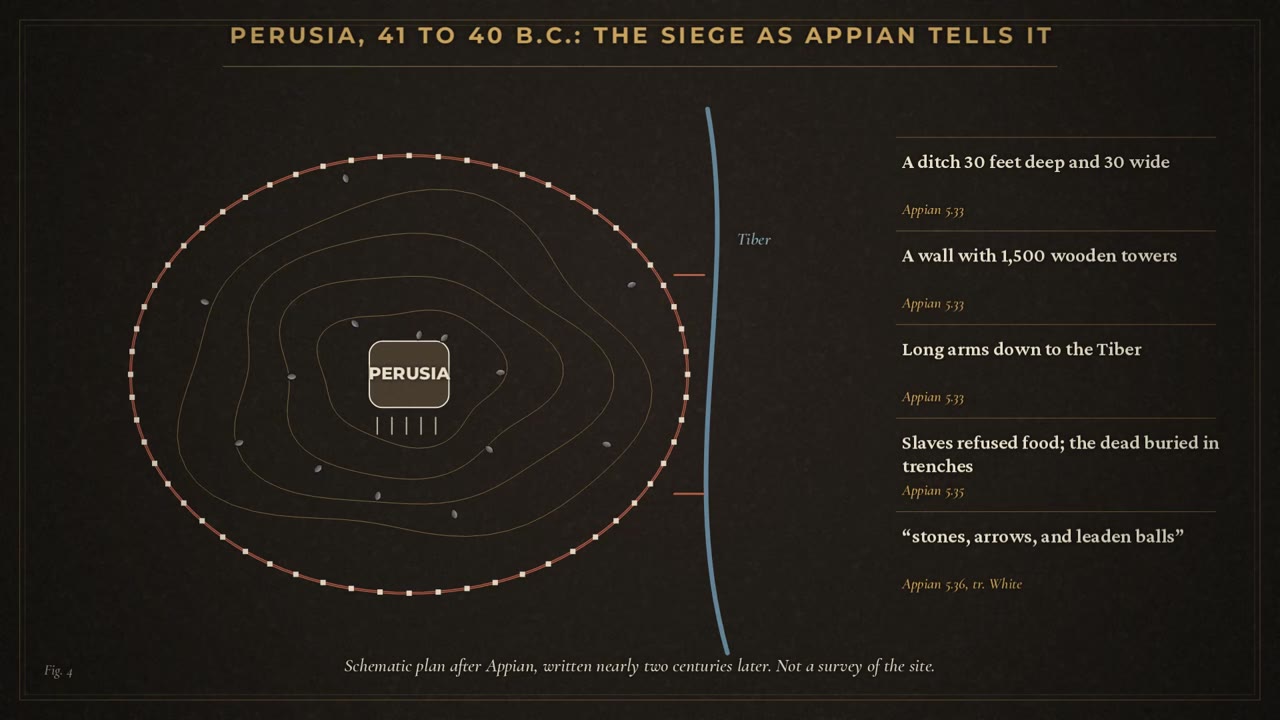
Back to Perugia. Ancient Perusia, a town on a hill in Etruria. In 41 B.C., Mark Antony's brother Lucius, who was consul that year, and Antony's wife Fulvia took up arms against Octavian. Lucius ended up shut inside Perusia. The historian Appian, writing nearly two centuries later, says Octavian ringed the hill with a ditch 30 feet deep and 30 wide, and a wall with 1,500 wooden towers. Inside, the food ran out. Appian says the slaves were refused rations and ate grass, and the dead were buried in long trenches, so the enemy would not see how many there were. When the besieged tried to break out, he says, they fought from their siege towers with stones, arrows, and leaden balls.
Bullets that talk back
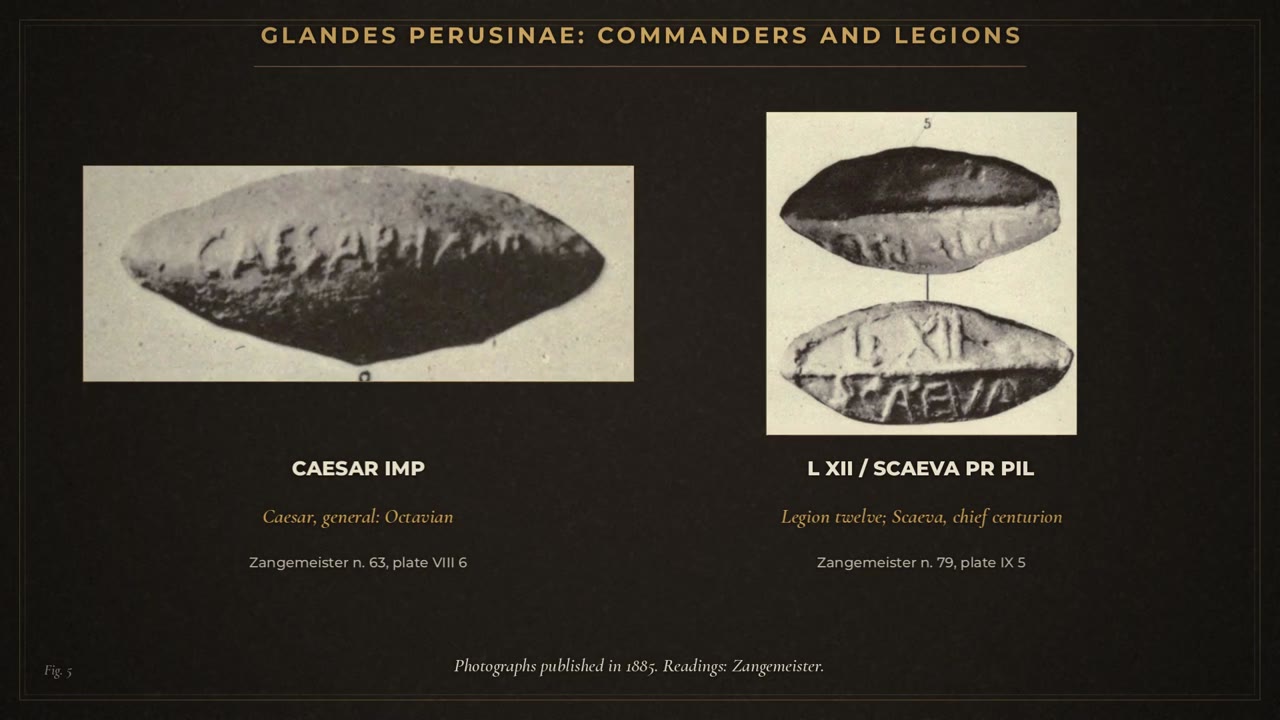
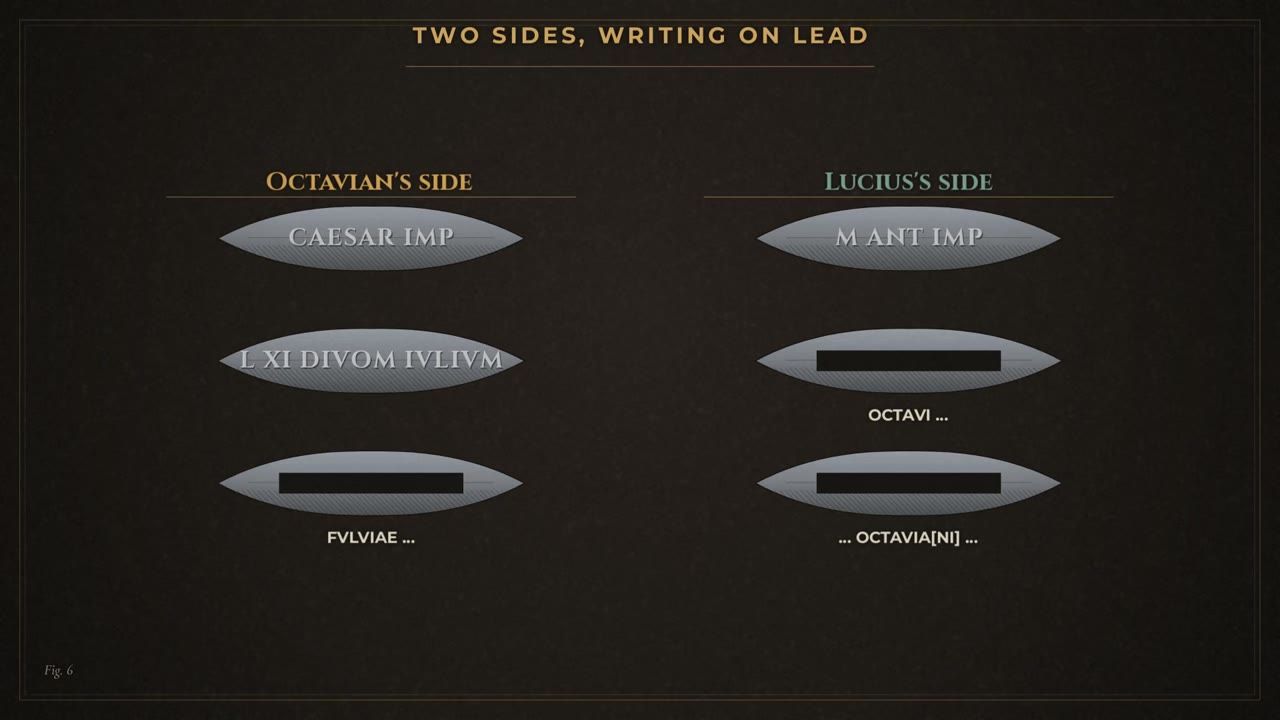
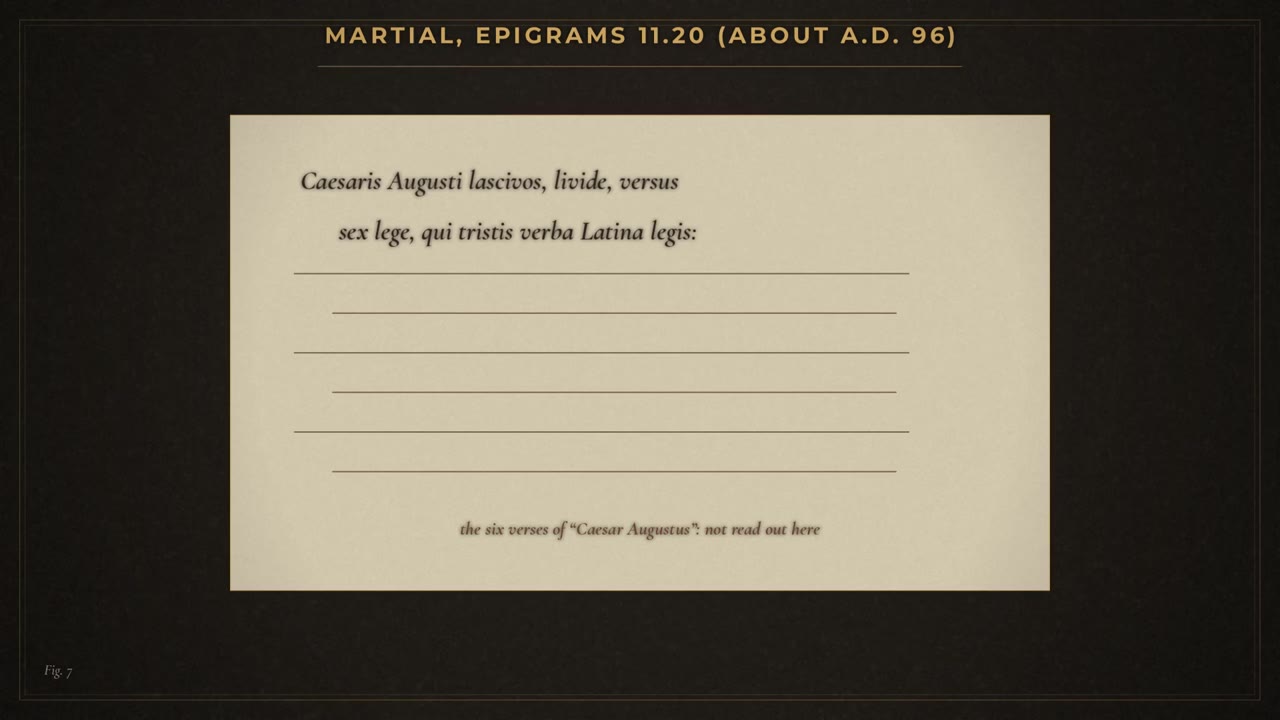
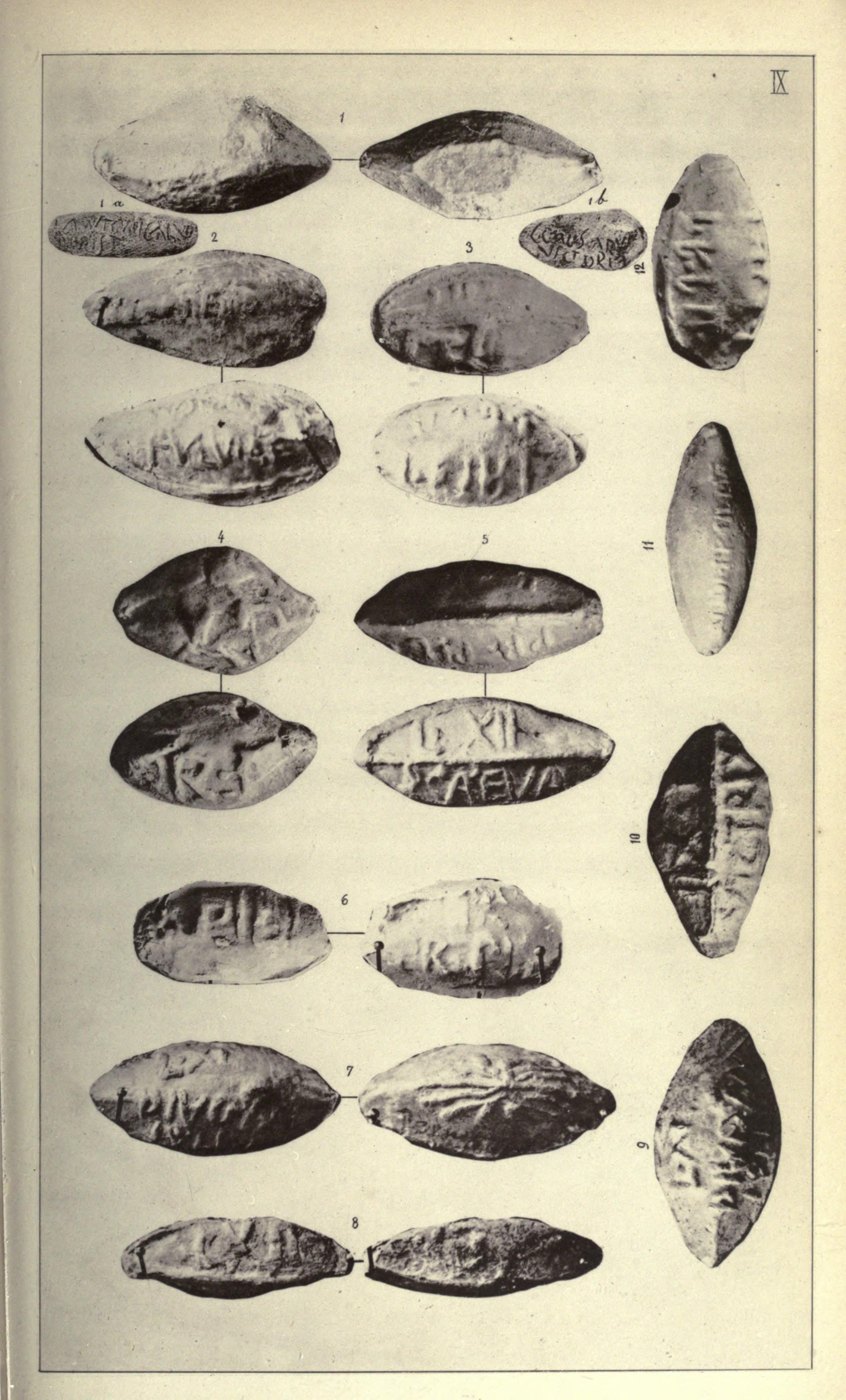
And the bullets from that siege talk back. In 1885, the German scholar Karl Zangemeister published the inscribed Latin sling bullets known in his day. Perusia has its own chapter, and its own photographic plates. Most, he argued, came from Octavian's side. Some carry a commander: CAESAR IMP, Caesar, general. That is Octavian, who used his adoptive father's name. Some name a legion and an officer. L XII. SCAEVA PR PIL: legion 12, Scaeva, chief centurion. And some carry a message. One reads: ESVREIS ET ME CELAS. You're starving, and you're hiding it from me. Another was scratched by hand into the finished bullet. Bald Lucius Antonius, you're done for, by Gaius Caesar's victory. Then there are the ones I can't read out. One aims at Fulvia's body. One, from Lucius's side, aims at Octavian's backside. Parts of those words are modern restorations, but the meaning is plain. And it wasn't only the soldiers. The poet Martial, more than a century later, quotes six verses that he says Augustus himself wrote about Fulvia. They are just as crude.
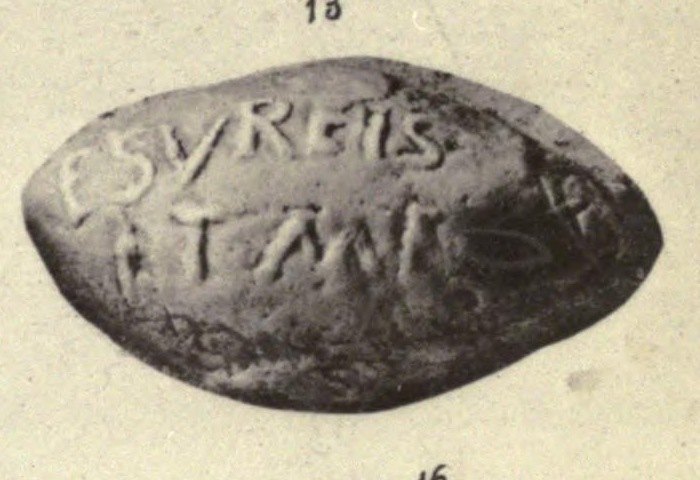
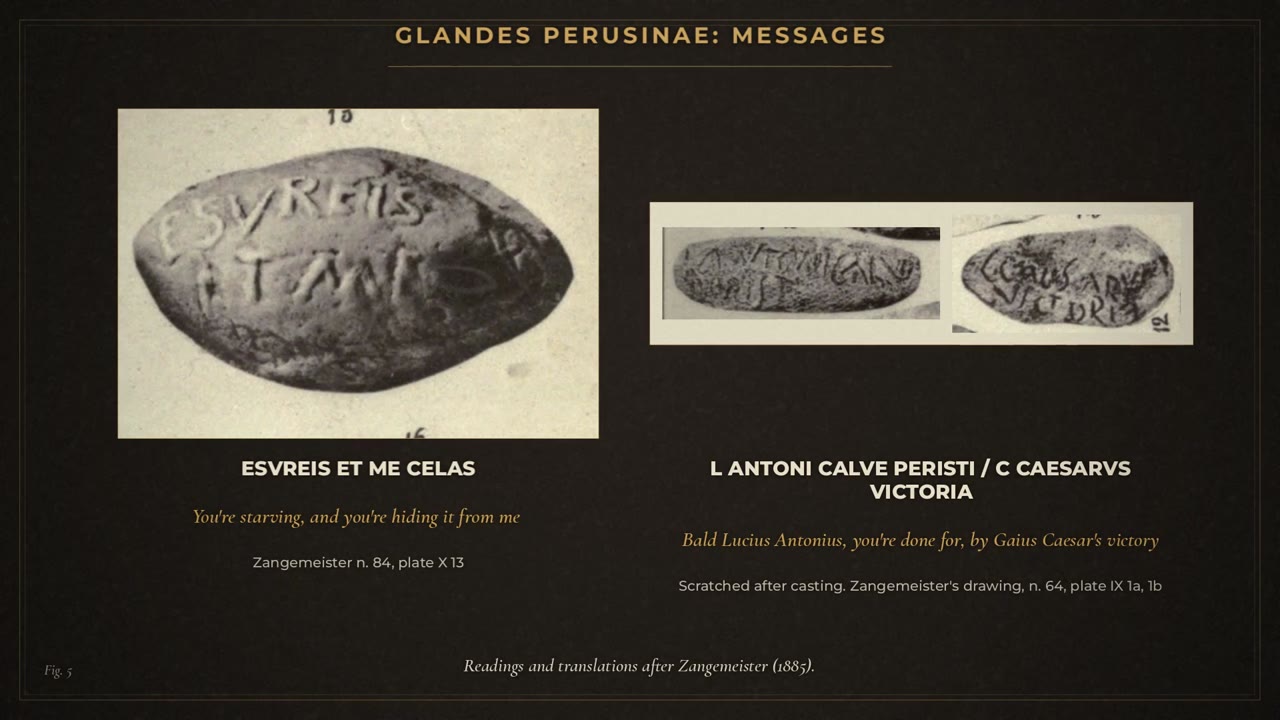
Did you know? One bullet from the siege of Perusia taunts the starving town: ESVREIS ET ME CELAS, “you're starving, and you're hiding it from me” (Zangemeister 1885, n. 84). Appian says the slaves inside were refused food and ate grass.
Three hundred at the altar? A dispute
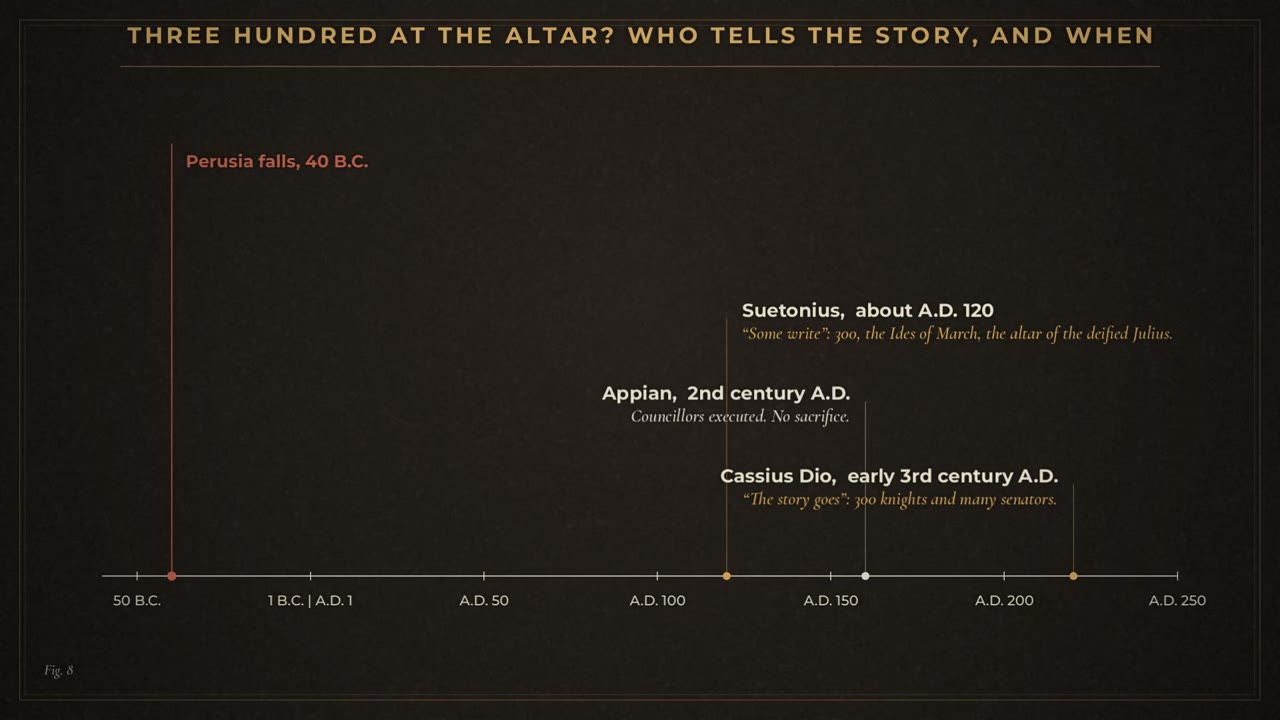
Perusia gave in to hunger early in 40 B.C. Then comes the darkest story. Suetonius writes that some say three hundred prisoners were picked out and sacrificed, on the Ides of March, at an altar to the deified Julius. Cassius Dio tells it too, as a story that goes around. Appian and Velleius, who both describe the end of the siege, don't mention it. Zangemeister linked the eleventh legion's bullet, DIVOM IVLIVM, to that story. But the bullet only names the legion and the god. Whether it called for revenge, and whether the sacrifice happened at all, we don't know.
The forger of Ascoli
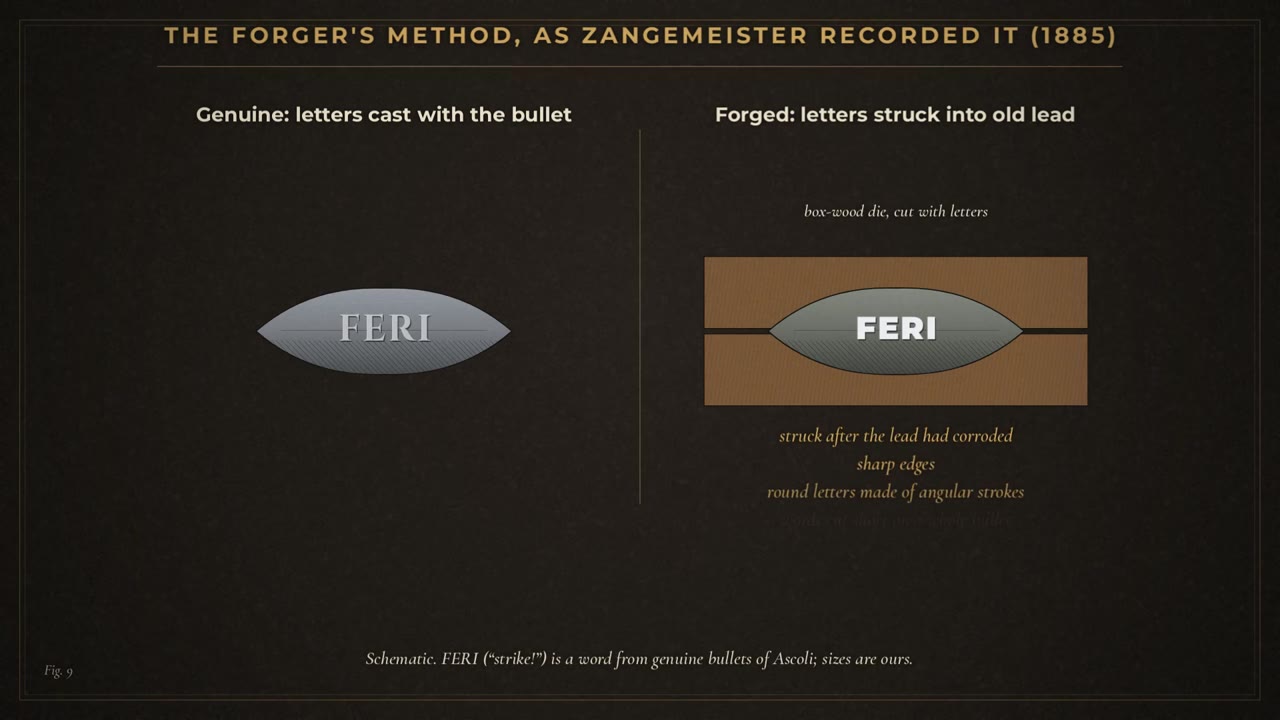
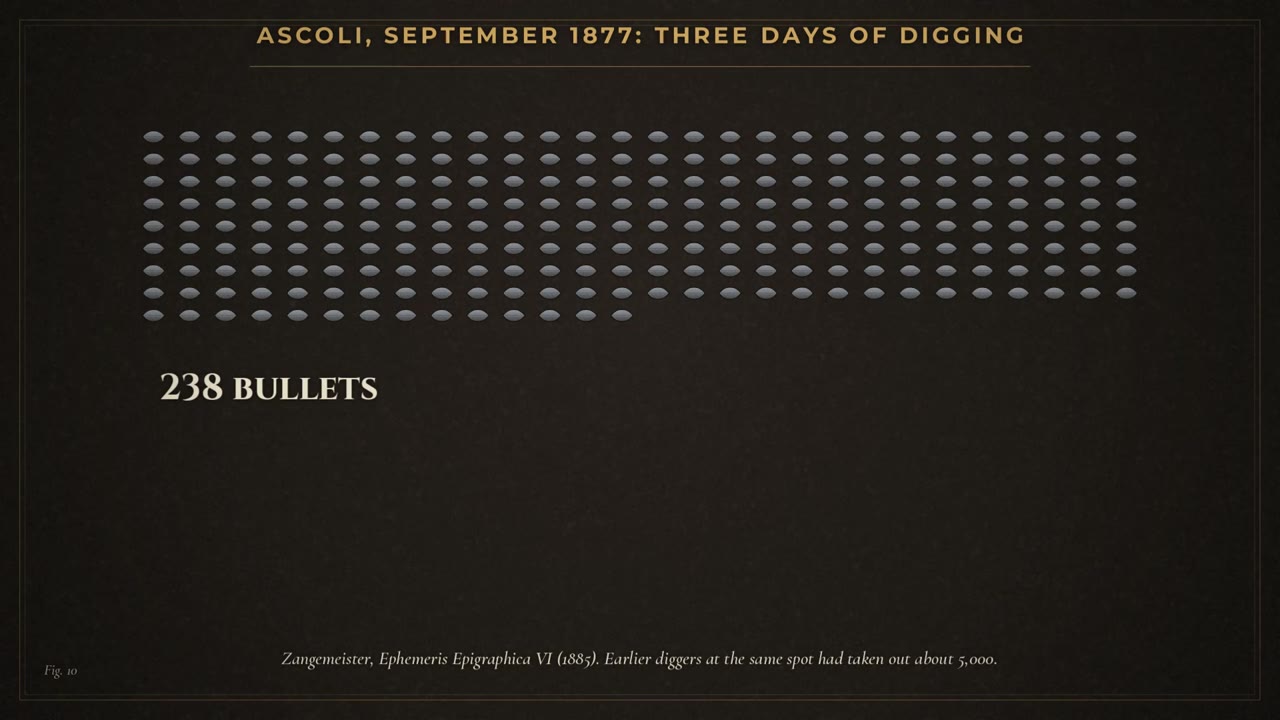
There's a catch with inscribed bullets. Collectors wanted them. And where there's a market, there's a forger. From about 1860, a man in Ascoli, Giuseppe Vincenzini, took genuine, blank ancient bullets and hammered them into carved wooden dies, putting new words into old lead. A French scholar published more than 600 of them as genuine. In 1877, Vincenzini confessed to Zangemeister, in front of two witnesses. Zangemeister also records a boast. Vincenzini once bought an inscribed bullet from a countryman, sure it was ancient. Later he realised the inscription was his own work. How do you tell? A real inscription was cast with the bullet. The forger's letters were struck into lead that had already corroded, with sharp edges and angular round letters. And real bullets were mostly blank. At Ascoli, besieged by Rome in the Social War, Zangemeister and a local colleague dug for three days in 1877. 238 bullets. 2 had writing.
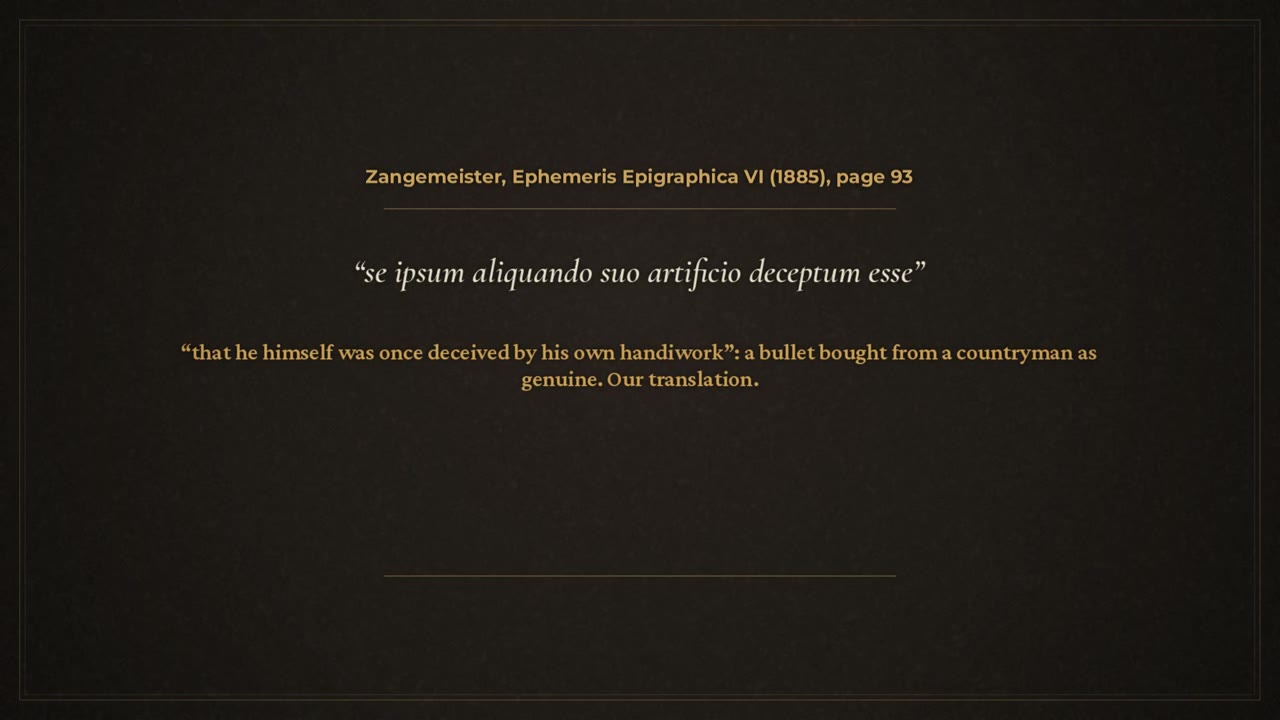
Did you know? The forger Giuseppe Vincenzini, who stamped new inscriptions into genuine blank Roman bullets, once boasted that he had bought a bullet from a countryman as genuine and later realised the inscription was his own work (Zangemeister 1885, p. 93).
Did lead melt in flight?
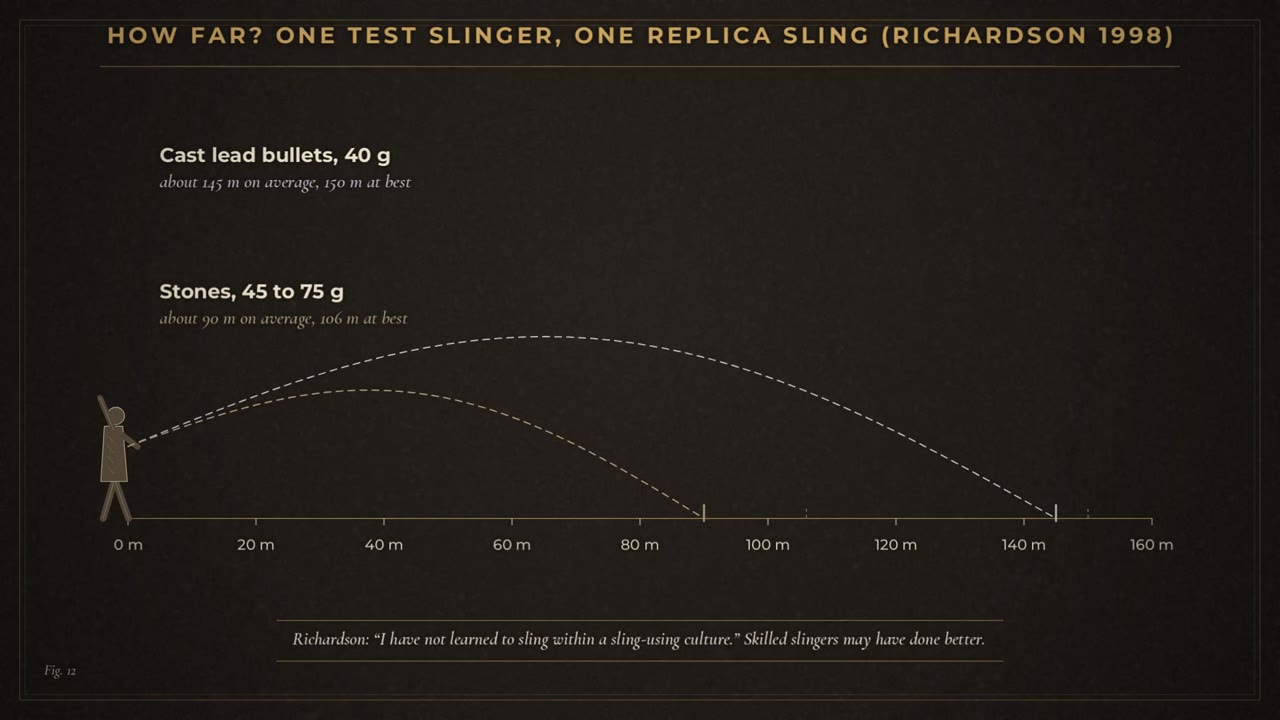
So how good was a lead bullet? The Romans had an odd idea about that. Lucretius, Virgil, Ovid and Seneca all write that a lead bullet heats up in flight. Some say it melts. It doesn't. In tests for the Royal Armouries in the 1990s, Thom Richardson measured slung bullets at about 30 metres a second. At that speed, by our own calculation, the air warms the lead by less than 1 degree. Lead melts at about 327 °C. What lead did do was fly further. In the same tests, 40-gram lead bullets went about 145 metres on average. Stones, about 80 to 90. Richardson himself warns that he never learned the sling in a culture that used it. Skilled slingers may have done better. Or the old claims of range may be exaggerated.
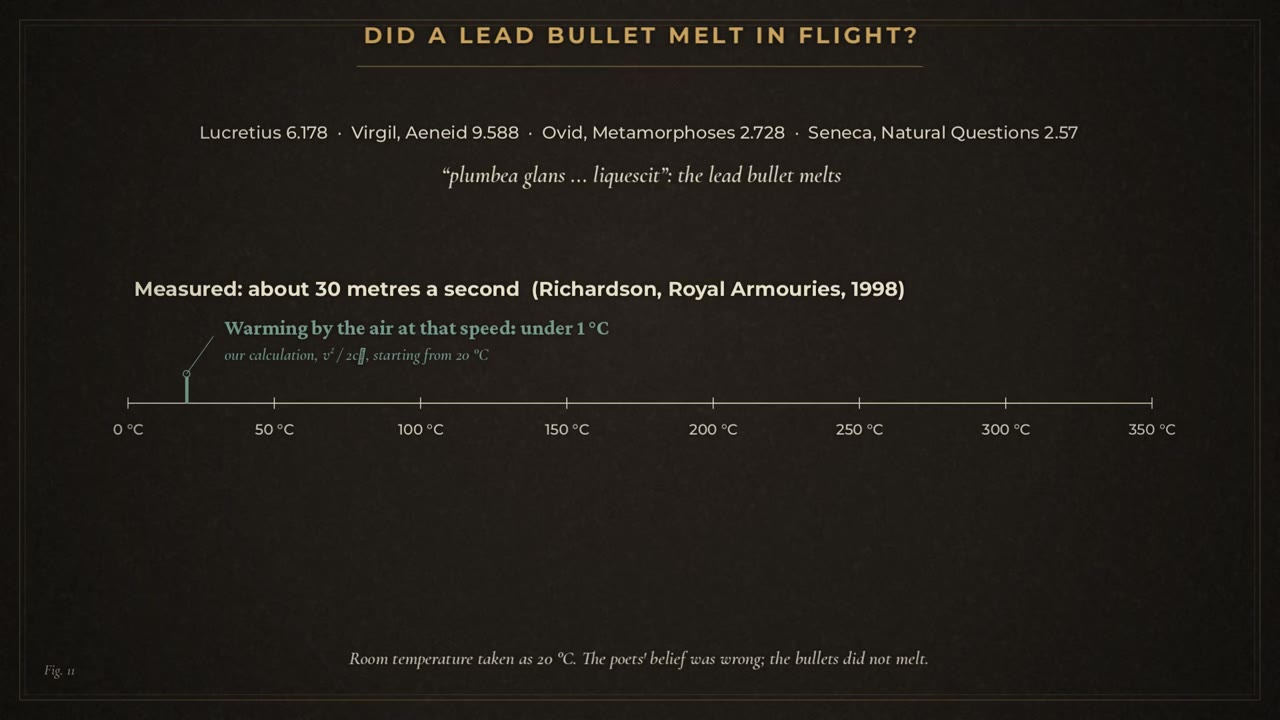
Did you know? Lucretius, Virgil, Ovid and Seneca believed that a lead sling bullet heats up or melts in flight. At the speeds measured by Thom Richardson, about thirty metres a second, the air warms it by less than one degree (our calculation); lead melts at about 327 degrees Celsius.
When a bullet hit
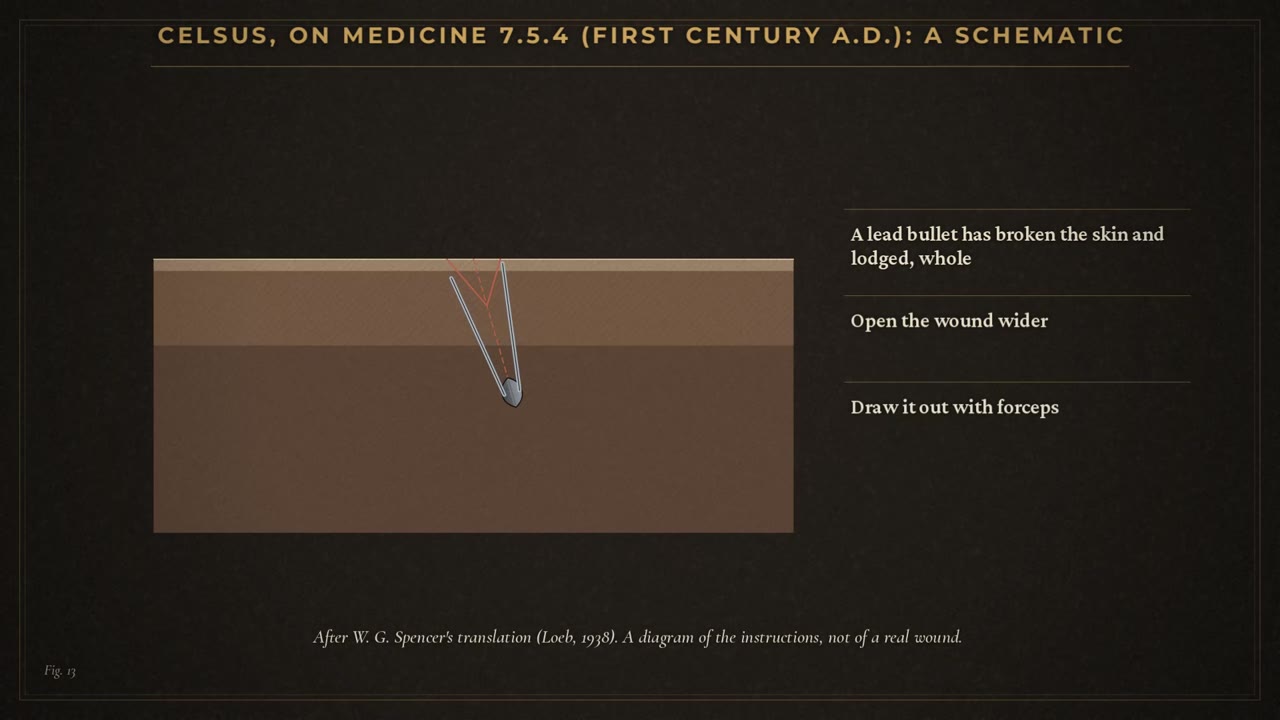
And when one hit? The Roman writer Celsus, in the first century A.D., explains what to do with a lead bullet that has broken the skin and lodged inside. Open the wound wider, he says, and draw it out with forceps, the way it went in.
Burnswark Hill, Scotland
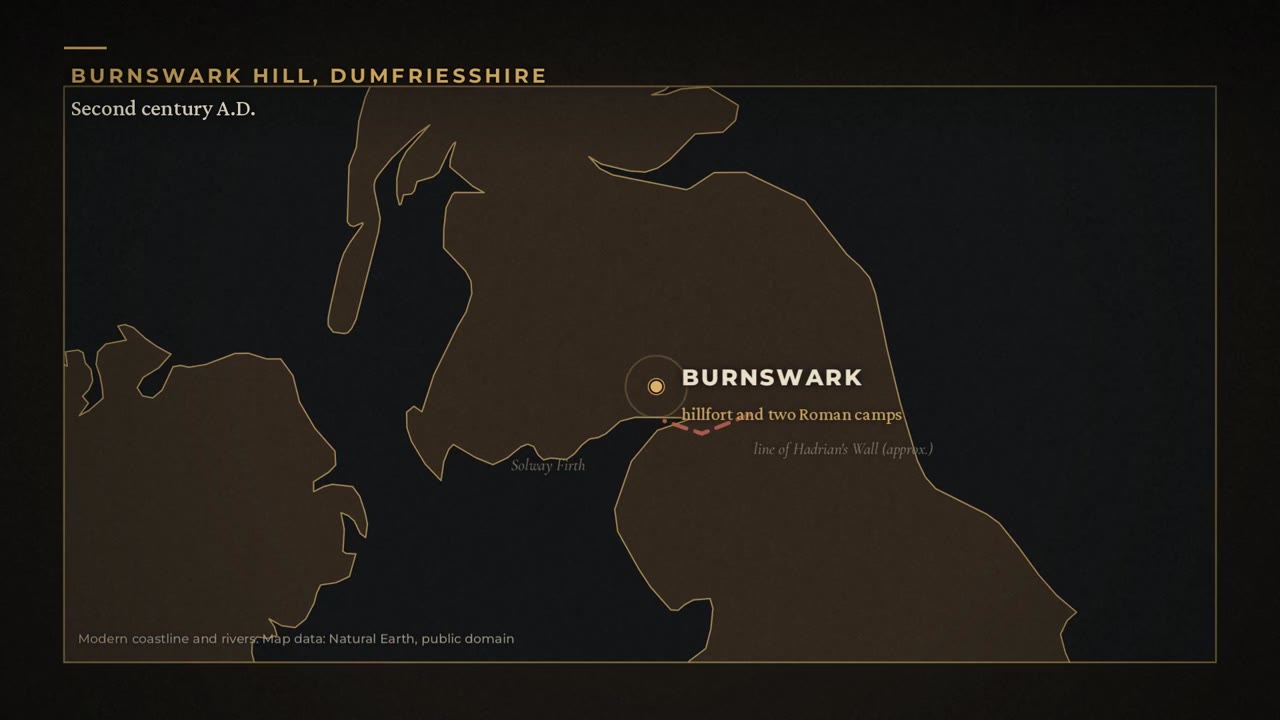
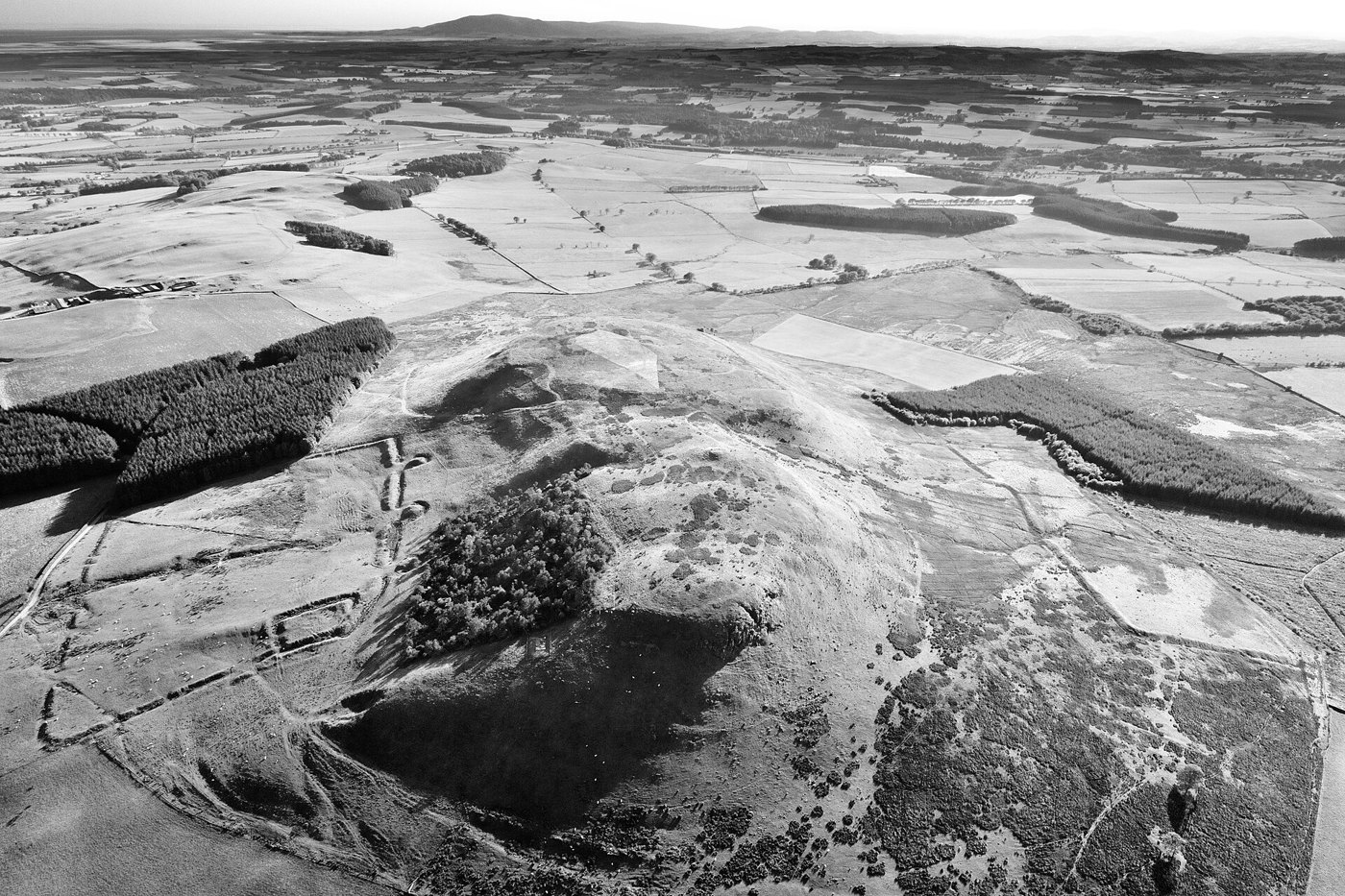
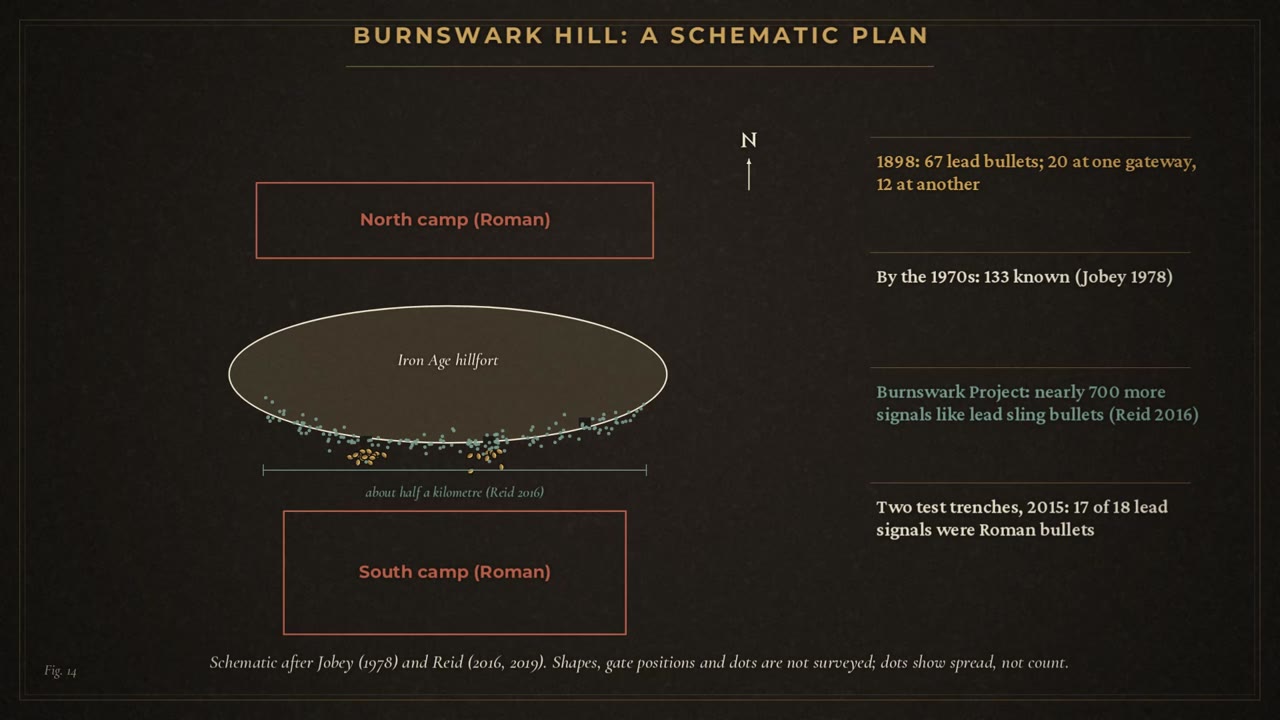
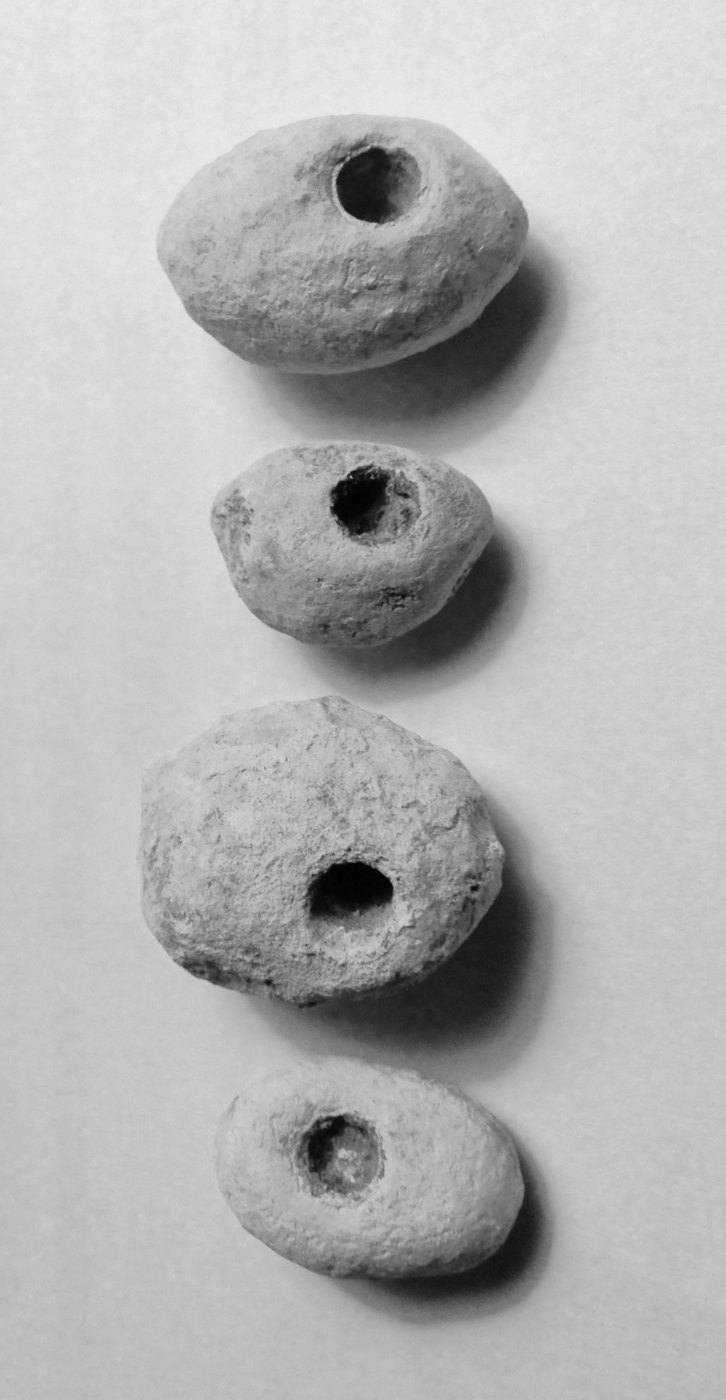
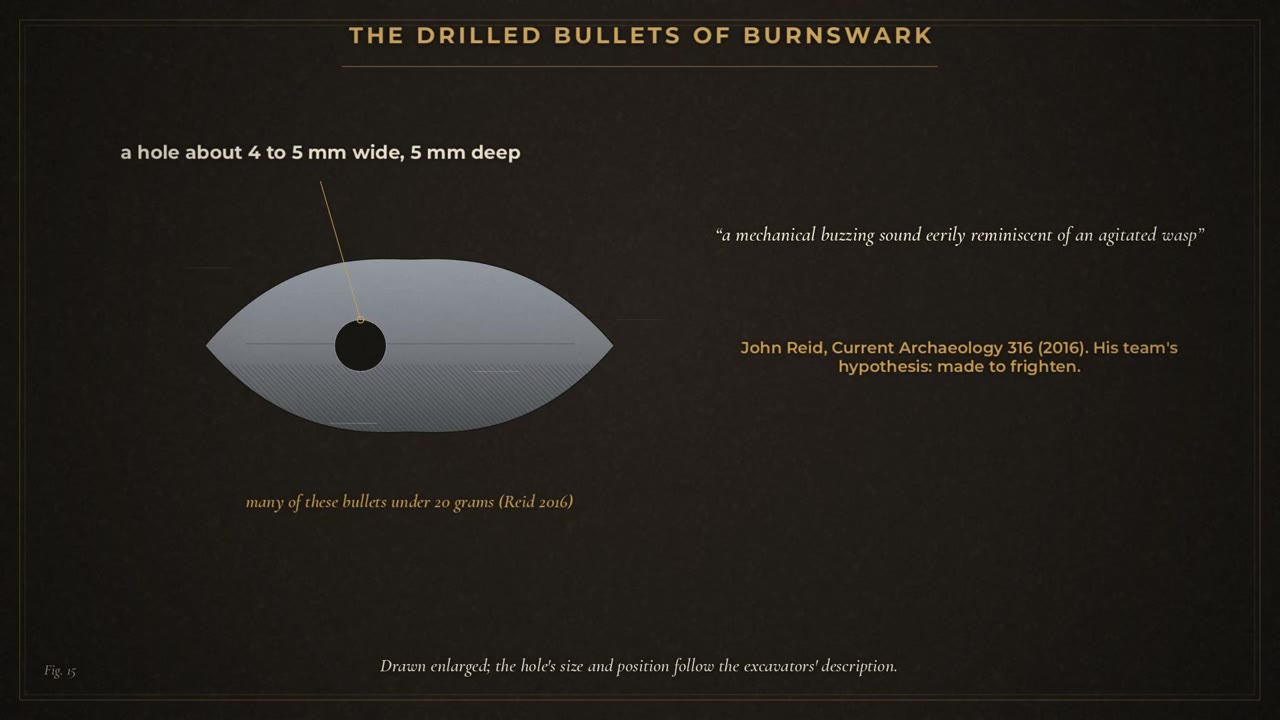
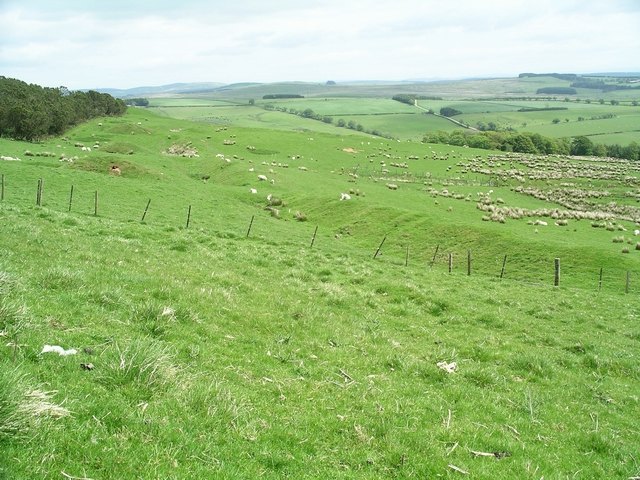
Now, a hill in Scotland. Burnswark, in Dumfriesshire, north of the line of Hadrian's Wall. A flat-topped hill, ringed by the ramparts of an Iron Age fort. And on its slopes, two Roman camps. One to the south, one to the north. In 1898, excavators found 67 lead sling bullets here. 20 lay at one gateway of the hillfort, 12 at another. By the 1970s the count stood at 133. The archaeologist George Jobey called that unique in Britain. More recently, a team led by John Reid swept the hill with metal detectors. They found nearly 700 more signals that looked like lead sling bullets, most of them along the southern rampart. Reid traces the barrage along about half a kilometre of it. In two test trenches in 2015, 17 of the 18 lead signals turned out to be Roman bullets. Some of the bullets are small, many under 20 grams, with a hole drilled about 5 millimetres wide. When the team slung copies, they buzzed in flight, Reid writes, like an agitated wasp. He thinks they were meant to frighten. That's his team's hypothesis. And Richardson notes that a good cast whirrs anyway, with any kind of missile.
Siege or firing range?
So what happened at Burnswark? The early excavators saw a siege. In 1978, George Jobey argued for a training ground. A field school, where the army practised building camps and attacking with slings, bows and artillery. A key point: the rampart was already ruined when the bullets fell. Reid's team confirmed that. Jobey had one quibble with his own theory. There was, he wrote, some laxity in the retrieval of re-usable ammunition. Reid and his colleague Andrew Nicholson read it the other way. A barrage this big looks to them like a real assault, a show of force, perhaps at the start of the Roman advance into Scotland around A.D. 140. The title of their own paper ends with a question mark. Siege or firing range? The evidence has not settled it.
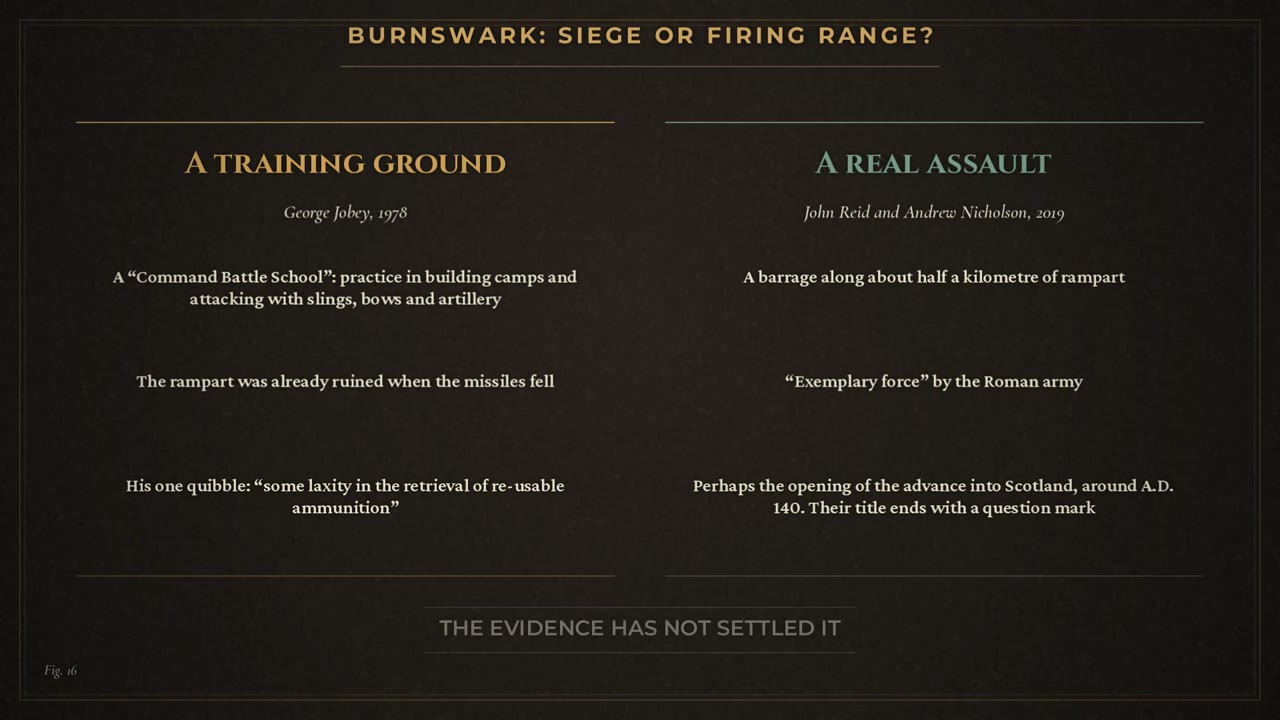
Did you know? George Jobey, who argued that Burnswark was a Roman training ground, admitted one problem with his own theory: there was “some laxity in the retrieval of re-usable ammunition” (Jobey 1978).
What we really have
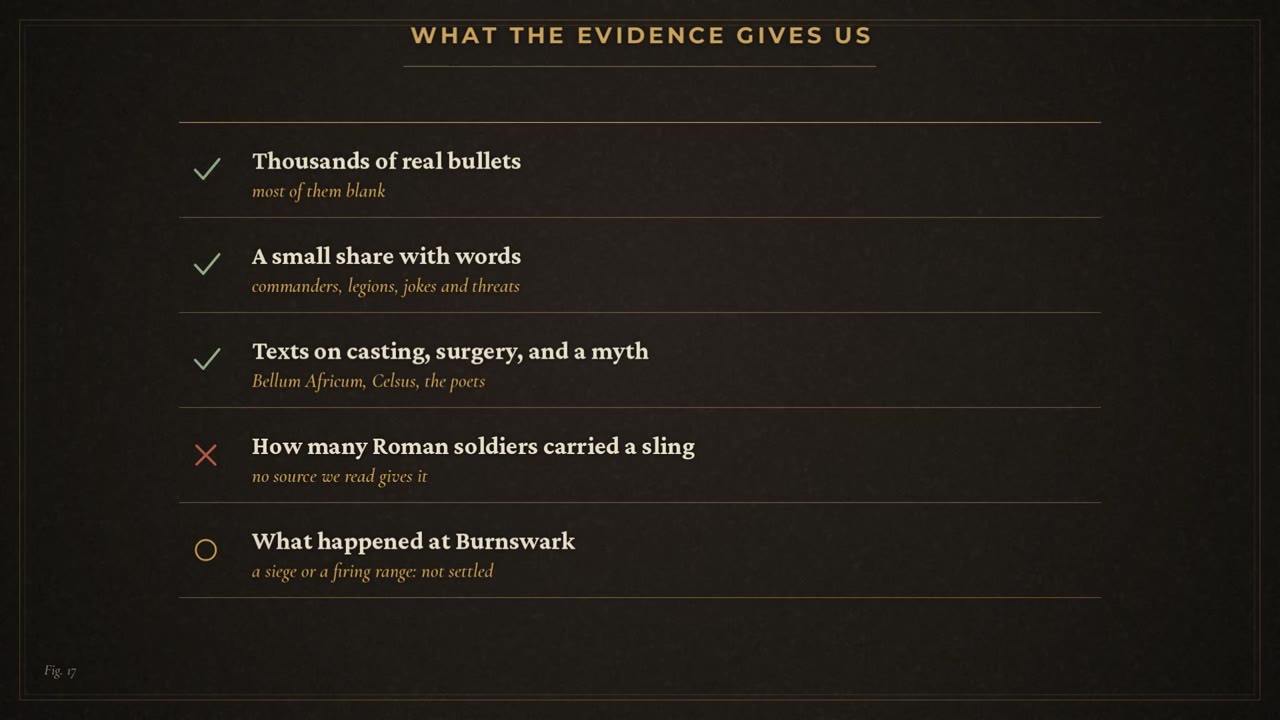
So, what do we really have? Thousands of real bullets, most of them blank. A small share with words: commanders, legions, jokes and threats. Texts that say the army cast them, surgeons cut them out, and poets thought they melted. What we don't have: how many Roman soldiers carried a sling, or the full story of what happened at Burnswark.
Verdict, and what comes next
So that's the Roman sling bullet. A lump of lead you could close your hand around. And now and then, a message.
Questions for you: Burnswark: a real assault, or a firing range with sloppy clean-up? The drilled bullets: made to frighten, or is the buzz just a side effect? And what next: the Roman helmets, or the scutum?
Over to you
Burnswark: a real assault, or a firing range with sloppy clean-up? The drilled bullets: made to frighten, or is the buzz just a side effect? What next: the Roman helmets, or the scutum?
Prefer to watch? The video on YouTube covers the same story with the full animations. Jump to a part:
- 0:00 A bullet from Perusia, 41 to 40 B.C.
- 1:16 What is a glans?
- 2:14 The siege of Perusia
- 3:03 Bullets that talk back
- 4:27 Three hundred at the altar? A dispute
- 5:07 The forger of Ascoli
- 6:19 Did lead melt in flight?
- 7:15 When a bullet hit
- 7:32 Burnswark Hill, Scotland
- 8:55 Siege or firing range?
- 9:48 What we really have
- 10:12 Verdict, and what comes next
Quick answers
What is a Roman sling bullet called?
A glans, plural glandes. The Latin word means an acorn, and the Latin dictionary of Lewis and Short calls the missile an acorn-shaped ball of lead or clay, hurled at the enemy. Many Roman ones look more like an almond or a lemon, pointed at both ends.
What do the inscriptions on Roman sling bullets say?
Bullets from Octavian's siege of Perusia in 41 to 40 B.C., published by Karl Zangemeister in 1885, name commanders such as Caesar, general, and legions and officers such as legion twelve and Scaeva, chief centurion. Some carry messages, like You're starving, and you're hiding it from me, and some are obscene insults aimed at Fulvia or Octavian.
How were lead sling bullets made?
They were cast. Molten lead went into a two-part mould, and any letters were cut backwards into the mould so they came out raised and readable on the bullet. The anonymous author of the African War says Caesar's army set up smithies, cast sling bullets and sent to Sicily for lead in 46 B.C.
Did Roman lead sling bullets melt in flight?
No. Lucretius, Virgil, Ovid and Seneca wrote that a lead bullet heats up in flight, and some said it melts. Thom Richardson measured slung bullets at about thirty metres a second for the Royal Armouries; by our own calculation the air warms the lead by less than one degree at that speed, and lead melts at about 327 degrees Celsius.
What happened at Burnswark Hill?
By the 1970s excavators had found 133 lead sling bullets there, and a later metal-detector survey led by John Reid found nearly 700 more signals. George Jobey argued in 1978 for a Roman training ground; Reid and Andrew Nicholson read it as a real assault, perhaps around A.D. 140. The evidence has not settled it.
Where it happened
- Perugia (ancient Perusia), Italy (41 B.C.): Octavian besieged Lucius Antonius here in the winter of 41 to 40 B.C.; inscribed lead sling bullets from the siege were published by Zangemeister in 1885.
- Burnswark Hill, Dumfriesshire, Scotland (A.D. 140): An Iron Age hillfort between two Roman camps; 133 lead sling bullets known by the 1970s and nearly 700 more detected since. Siege or training ground is debated; the date is a proposal.
- Ascoli Piceno (ancient Asculum), Italy (89 B.C.): Besieged by Rome in the Social War, 90 to 89 B.C.; Zangemeister dug up 238 bullets here in 1877, two with writing. Home of the forger Giuseppe Vincenzini.
- Ruspina (near Monastir), Tunisia (46 B.C.): Caesar's camp in 46 B.C., where his army cast sling bullets and asked Sicily for lead (Bellum Africum 20).
Sources
Ancient writers and modern work
Everything below was read on 2026-11-14 or 2026-11-15 at the address given. Verbatim excerpts and notes are in `research/ancient-texts.md`,
`research/inscribed-glandes.md` and `research/burnswark-ballistics.md`. Each line says what the source supports in the video.
Tags used in `claims.md`: A ancient testimony, E excavated or museum evidence, M modern scholarship, D disputed and hedged, I our illustration.
The corpus of inscribed bullets (main source for the Perusia section)
plates of the University of Toronto copy at the Internet Archive: https://archive.org/details/ephemerisepigrap06deutuoft (text file
`ephemerisepigrap06deutuoft_djvu.txt`; plates = scan leaves n212, n214, n216). Read in full for the Perusine chapter (nos. 52 to 106), the
Asculum chapter, the preface on casting, and the chapter on forgeries (pp. 88 to 97). Key passages were checked by us in the OCR text, not only
by the research notes:
- n. 77, plate IX 7: L XI / DIVOM / IVLIVM with a thunderbolt; the Munich example weighs 60 g, length 0.044 m; one example found at Perugia;
"lectio omnino certa"; Zangemeister links it to Suetonius Aug. 15 and adds "ulciscamur vel simile quid" (his supplement).
- n. 63 CAESAR IMP (plate VIII 6); n. 79 L XII SCAEVA PR PIL (plate IX 5); n. 84 ESVREIS ET ME CELAS (plate X 13), "i. e. obsidentes";
n. 64 L ANTONI CALVE PERISTI / C CAESARVS VICTORIA, scratched in cursive after casting (plate IX 1); n. 56 FVLVIAE [LA]NDICAM PETO
(restored; Caesarian side); n. 58 PET[O] OCTAVIA[NI] CVLVM (restored; Antonian side); nos. 61 and 62 OCTAVI LAXE (Antonian); n. 52 M ANT IMP.
- Attribution: "longe plures Caesarianis" (most from Octavian's side).
- Casting: two-part moulds ("Formae binis ex partibus"); letters cut reversed into the mould and cast with the bullet; a clay mould half from
Phanagoria.
- Asculum: three days of digging in September 1877 with G. Gabrielli, 238 bullets, 2 inscribed; 235 weighed, mean 47.13 g; about 5,000 dug
out earlier at the same spot; the siege began probably in 664 AUC and the town fell at the end of 665 (90 to 89 B.C.), Cn. Pompeius Strabo.
- Forger: Giuseppe Vincenzini of Ascoli, stamping from about 1860, in quantity from 1874; method (blank ancient bullets hammered into carved
box or service-wood dies); Desjardins published "plus sescentas" (p. 91); confession at Ascoli on 16 September 1877 before two witnesses (p. 94);
Vincenzini's boast that he once bought a bullet "a rustico quodam" as genuine and later found it bore his own inscription (p. 93); the tells
of a struck inscription (letters later than the corrosion, sharp edges, angular round letters, words cut short on a whole bullet).
- L. Piso at Enna, 133 B.C., n. 1 (timeline only).
hurled at the enemy". Supports the definition.
Ancient texts (translations named; full excerpts in research/ancient-texts.md)
The siege works (5.33: ditch 30 feet deep and wide, 1,500 wooden towers, arms to the Tiber), the famine (5.35), the break-out with "stones,
arrows, and leaden balls" (5.36; checked by us), the end (5.48 to 49: councillors executed, no sacrifice story). Appian wrote in the 2nd century A.D.
surrender by hunger; "Scribunt quidam": 300 of both orders sacrificed on the Ides of March at the altar of the deified Julius.
soldiers; no sacrifice story. (Velleius says the town was stormed; the others say it surrendered from hunger. Noted in claims.md.)
sling bullets ("glandes fundere") and asks Sicily for iron and lead. Location Ruspina checked by us (ch. 11 and 20).
meliores"); 2.23 whirl once round the head. Late 4th or 5th century A.D.
(Latin, The Latin Library; Leonard, Dryden, More, Clarke translations): the belief that a lead bullet heats up or melts in flight.
whole is extracted by widening the wound and drawing it out with forceps the way it entered.
Excavation reports and museum records
https://dgnhas.org.uk/sites/default/files/transactions/3053.pdf (full text read by the research agent; key page checked against the image):
133 lead bullets (54 by Jobey, 67 in 1898, 12 casual), "unique in this country"; weights 50 to 71 g; the rampart already denuded when the missiles
fell; the "Command Battle School" conclusion and "some laxity in the retrieval of re-usable ammunition"; 20 and 12 bullets at the two south gateways
in 1898.
(read and checked by us): 130 bullets known before the project; small type I bullets "many weighing less than 20g" with a hole "approximately 5mm in
diameter and about 5mm deep"; the buzz "eerily reminiscent of an agitated wasp"; psychological warfare as the simplest explanation; "nearly 700"
lead targets; the barrage "along a full half kilometre of native rampart"; dating left open between the 120s and the late 130s in 2016.
targets Roman bullets; the hole 4 mm; the opening of the Antonine advance (Antonine Wall 142).
first page only ("exemplary force"; the question mark in the title; the camps north and south; the training-ground literature in n. 5).
(39.6 mm, 27.6 mm, 123.3 g) and nine more of the same group of twelve (lowest 67.3 g, highest 123.3 g), "probably mid-1st century", found together.
Modern scholarship and measurements
("copied with permission"): velocities about 30 to 33 m/s; ranges with a replica of the Lahun sling (lead 40 g: 145 m average, 150 best; stones
45 to 75 g: 90 m, 106 best); "I have not learned to sling within a sling-using culture ... or because I am inept ... Alternately, claims for the
range of the sling may have been exaggerated"; "A good cast is usually accompanied by a whirring noise, from all types of projectile".
The bullet cannot be heated by the air above that temperature. (Labelled "our calculation" on screen.)
is a sculptor's composition (caption only).
Images (licences in image-manifest.json and in plan.CREDITS)
Zangemeister's plates (public domain, 1885); Portable Antiquities Scheme photos (CC BY 2.0); Trimontium Trust photos (CC BY-SA 4.0); Geograph photos
(CC BY-SA 2.0); Germanisches Nationalmuseum photo (W. Sauber, CC BY-SA 3.0); Cichorius plate XLVII of Trajan's Column (public domain); CNG photo of the
41 B.C. denarius (CC BY-SA 2.5); PAS photo of Octavian's 42 B.C. denarius (CC BY 2.0); Perugia walls (CC BY-SA 3.0); Sertorian bullet (M. Calvo,
Image credits
- Slingers on Trajan's Column, A.D. 113 (scene LXVI). Plate by Conrad Cichorius, 1896. Public domain
- Photographs of the bullets: Zangemeister, Ephemeris Epigraphica VI (1885), plate IX 7 (L XI DIVOM IVLIVM, found at Perugia). Public domain; scan Internet Archive
- Photographs of the bullets: Zangemeister, Ephemeris Epigraphica VI (1885), plate IX, Perusia. Public domain; scan Internet Archive
- Photographs of the bullets: Zangemeister, Ephemeris Epigraphica VI (1885), plate VIII 6 (CAESAR IMP). Public domain; scan Internet Archive
- Roman lead sling bullet, mid-1st century A.D., found in England. Portable Antiquities Scheme, PUBLIC-664DFF. Photo: Roger Thomas, CC BY 2.0
- Lead sling bullet of the Sertorian War, 1st century B.C., Aragon. Photo: Miguel Calvo, CC BY-SA 4.0
- Roman lead sling bullet, mid-1st century A.D., found in England. Portable Antiquities Scheme, PUBLIC-640928. Photo: Roger Thomas, CC BY 2.0
- Photographs of the bullets: Zangemeister, Ephemeris Epigraphica VI (1885), plate X 13 (ESVREIS ET ME CELAS). Public domain; scan Internet Archive
- Roman lead sling bullet, mid-1st century A.D., found in England. Portable Antiquities Scheme, PUBLIC-07BA1C. Photo: Roger Thomas, CC BY 2.0
- Perugia today: the town walls on the hill. Photo: Kurraudea, CC BY-SA 3.0
- Denarius of Mark Antony and Octavian, 41 B.C., Ephesus mint. Photo: Classical Numismatic Group, CC BY-SA 2.5
- Denarius of Octavian, 42 B.C., mint of Rome; head of Mars. Portable Antiquities Scheme. Photo: Alex Bliss, CC BY 2.0
- Photographs of the bullets: Zangemeister, Ephemeris Epigraphica VI (1885), plate X, Perusia. Public domain; scan Internet Archive
- Photographs of the bullets: Zangemeister, Ephemeris Epigraphica VI (1885), plate VIII, Perusia. Public domain; scan Internet Archive
- Lead sling bullets from Burnswark Hill, Burnswark Project 2015 to 2017. Photo: John H. Reid, Trimontium Trust, CC BY-SA 4.0
- Roman lead sling bullets, one with a legion's name. Germanisches Nationalmuseum, Nuremberg. Photo: Wolfgang Sauber, CC BY-SA 3.0
- Burnswark Hill from the east: the hillfort on the summit, Roman camps to the south (left) and north (right). Photo: Trimontium Trust, CC BY-SA 4.0
- Burnswark Hill on the skyline, 2017. Photo: Richard Webb, CC BY-SA 2.0
- Four drilled lead sling bullets from Burnswark Hill. Photo: Trimontium Trust, CC BY-SA 4.0
- The south Roman camp and its mounds, Burnswark Hill. Photo: Lynne Kirton, CC BY-SA 2.0
- Animations, maps and diagrams: original work, Spoken History. Map data: Natural Earth, public domain.
- Music: Mendelssohn - String Quartet No. 6 in F minor, Op. 80 - III. Adagio (Musopen String Quartet): Felix Mendelssohn; released to the public domain by Musopen (PD-author on the Commons file page)
- Music: Ludwig van Beethoven — Cello Sonata No. 3 (2nd movement): Ludwig van Beethoven; CC0 on the Commons file page
- Music: Beethoven - String Quartet No. 6 in B flat major, Op. 18 No. 6 - II. Adagio, ma non troppo (Musopen String Quartet): Ludwig van Beethoven; released to the public domain by Musopen (PD-author on the Commons file page)
- Music: Chopin - Cello Sonata in G minor, Op. 65 - III. Largo (Christopher Harding, Yeonjin Kim): Frédéric Chopin; released to the public domain by Musopen (PD-author on the Commons file page)
- Music: NYCP Tchaikovsky Andante cantabile: Pyotr Ilyich Tchaikovsky, performed by New York Classical Players; CC-BY (YouTube CC-BY), credit required
Transcript
Read the full narration
Roman Sling Bullets. Lead, insults, and a hill in Scotland. A lump of lead, about 4.5 centimetres long. It weighs 60 grams. On one side, a thunderbolt. On the other, raised letters: the number of a legion, the eleventh, and two words. DIVOM IVLIVM. The deified Julius. It was found at Perugia, in Italy. There, in the winter of 41 to 40 B.C., the young Octavian, the future Augustus, was starving out an army of his rivals. His side, scholars think, slung bullets like this one at the town. And this is one of the polite ones. Glandes. Roman sling bullets. We've taken apart a scorpion, an onager, a caltrop, a dagger, a sword and a suit of armour. The onager threw its stone from a sling. This time, the sling is in a soldier's hand. Today we're asking what these bullets were, what has been dug up, and what the texts really say. Because some of these little lumps of lead carry words. Messages, slung at the enemy. So, what is a glans? The Latin word means an acorn. The great Latin dictionary of Lewis and Short calls the missile an acorn-shaped ball of lead or clay, hurled at the enemy. Many Roman ones look more like an almond or a lemon, pointed at both ends. These, found together in England, weigh from about 67 to 123 grams. They were cast. Molten lead went into a two-part mould. Any letters were cut backwards into the mould, so they came out raised and readable on the bullet. And the army cast them itself. In Africa, in 46 B.C., the unknown author of the African War writes that Caesar's army set up smithies, cast sling bullets, and sent to Sicily for lead. The weapon that threw them was simple. Two cords and a pouch. The late Roman writer Vegetius says slings were made of flax or of hair. Back to Perugia. Ancient Perusia, a town on a hill in Etruria. In 41 B.C., Mark Antony's brother Lucius, who was consul that year, and Antony's wife Fulvia took up arms against Octavian. Lucius ended up shut inside Perusia. The historian Appian, writing nearly two centuries later, says Octavian ringed the hill with a ditch 30 feet deep and 30 wide, and a wall with 1,500 wooden towers. Inside, the food ran out. Appian says the slaves were refused rations and ate grass, and the dead were buried in long trenches, so the enemy would not see how many there were. When the besieged tried to break out, he says, they fought from their siege towers with stones, arrows, and leaden balls. And the bullets from that siege talk back. In 1885, the German scholar Karl Zangemeister published the inscribed Latin sling bullets known in his day. Perusia has its own chapter, and its own photographic plates. Most, he argued, came from Octavian's side. Some carry a commander: CAESAR IMP, Caesar, general. That is Octavian, who used his adoptive father's name. Some name a legion and an officer. L XII. SCAEVA PR PIL: legion 12, Scaeva, chief centurion. And some carry a message. One reads: ESVREIS ET ME CELAS. You're starving, and you're hiding it from me. Another was scratched by hand into the finished bullet. Bald Lucius Antonius, you're done for, by Gaius Caesar's victory. Then there are the ones I can't read out. One aims at Fulvia's body. One, from Lucius's side, aims at Octavian's backside. Parts of those words are modern restorations, but the meaning is plain. And it wasn't only the soldiers. The poet Martial, more than a century later, quotes six verses that he says Augustus himself wrote about Fulvia. They are just as crude. If you are enjoying this type of content, please don't forget to subscribe. Perusia gave in to hunger early in 40 B.C. Then comes the darkest story. Suetonius writes that some say three hundred prisoners were picked out and sacrificed, on the Ides of March, at an altar to the deified Julius. Cassius Dio tells it too, as a story that goes around. Appian and Velleius, who both describe the end of the siege, don't mention it. Zangemeister linked the eleventh legion's bullet, DIVOM IVLIVM, to that story. But the bullet only names the legion and the god. Whether it called for revenge, and whether the sacrifice happened at all, we don't know. There's a catch with inscribed bullets. Collectors wanted them. And where there's a market, there's a forger. From about 1860, a man in Ascoli, Giuseppe Vincenzini, took genuine, blank ancient bullets and hammered them into carved wooden dies, putting new words into old lead. A French scholar published more than 600 of them as genuine. In 1877, Vincenzini confessed to Zangemeister, in front of two witnesses. Zangemeister also records a boast. Vincenzini once bought an inscribed bullet from a countryman, sure it was ancient. Later he realised the inscription was his own work. How do you tell? A real inscription was cast with the bullet. The forger's letters were struck into lead that had already corroded, with sharp edges and angular round letters. And real bullets were mostly blank. At Ascoli, besieged by Rome in the Social War, Zangemeister and a local colleague dug for three days in 1877. 238 bullets. 2 had writing. So how good was a lead bullet? The Romans had an odd idea about that. Lucretius, Virgil, Ovid and Seneca all write that a lead bullet heats up in flight. Some say it melts. It doesn't. In tests for the Royal Armouries in the 1990s, Thom Richardson measured slung bullets at about 30 metres a second. At that speed, by our own calculation, the air warms the lead by less than 1 degree. Lead melts at about 327 °C. What lead did do was fly further. In the same tests, 40-gram lead bullets went about 145 metres on average. Stones, about 80 to 90. Richardson himself warns that he never learned the sling in a culture that used it. Skilled slingers may have done better. Or the old claims of range may be exaggerated. And when one hit? The Roman writer Celsus, in the first century A.D., explains what to do with a lead bullet that has broken the skin and lodged inside. Open the wound wider, he says, and draw it out with forceps, the way it went in. Now, a hill in Scotland. Burnswark, in Dumfriesshire, north of the line of Hadrian's Wall. A flat-topped hill, ringed by the ramparts of an Iron Age fort. And on its slopes, two Roman camps. One to the south, one to the north. In 1898, excavators found 67 lead sling bullets here. 20 lay at one gateway of the hillfort, 12 at another. By the 1970s the count stood at 133. The archaeologist George Jobey called that unique in Britain. More recently, a team led by John Reid swept the hill with metal detectors. They found nearly 700 more signals that looked like lead sling bullets, most of them along the southern rampart. Reid traces the barrage along about half a kilometre of it. In two test trenches in 2015, 17 of the 18 lead signals turned out to be Roman bullets. Some of the bullets are small, many under 20 grams, with a hole drilled about 5 millimetres wide. When the team slung copies, they buzzed in flight, Reid writes, like an agitated wasp. He thinks they were meant to frighten. That's his team's hypothesis. And Richardson notes that a good cast whirrs anyway, with any kind of missile. So what happened at Burnswark? The early excavators saw a siege. In 1978, George Jobey argued for a training ground. A field school, where the army practised building camps and attacking with slings, bows and artillery. A key point: the rampart was already ruined when the bullets fell. Reid's team confirmed that. Jobey had one quibble with his own theory. There was, he wrote, some laxity in the retrieval of re-usable ammunition. Reid and his colleague Andrew Nicholson read it the other way. A barrage this big looks to them like a real assault, a show of force, perhaps at the start of the Roman advance into Scotland around A.D. 140. The title of their own paper ends with a question mark. Siege or firing range? The evidence has not settled it. So, what do we really have? Thousands of real bullets, most of them blank. A small share with words: commanders, legions, jokes and threats. Texts that say the army cast them, surgeons cut them out, and poets thought they melted. What we don't have: how many Roman soldiers carried a sling, or the full story of what happened at Burnswark. So that's the Roman sling bullet. A lump of lead you could close your hand around. And now and then, a message. Three questions for you. Burnswark: a real assault, or a firing range with sloppy clean-up? The drilled bullets: made to frighten, or is the buzz just a side effect? And what should I take apart next? The Roman helmets, or the scutum? Thanks for watching, and I'll see you in the next one. It's on your screen right now. Tap it, and I'll see you there.
All 27 topics
More episodes
The Roman Onager: Rome's One-Armed Stone-Thrower
A one-armed Roman stone-thrower, named after a wild ass, shook Persian siege towers apart at Amida in A.D. 359. How it worked, how it was crewed and carried, what it really did, and what...
Read the story
What Was the Gladius, Really? Rome's Sword
Livy says Philip V's soldiers were horrified by the wounds of the Spanish sword. What was the Roman gladius, really? The origin story in the Suda and the dispute over when and from whom...
Read the story
Lorica Segmentata: The Armour from Corbridge
In 1964 a training dig at Corbridge, close to Hadrian's Wall, found a chest buried under a floor with twelve unmatched sections of Roman plate armour. What the lorica segmentata was, why...
Read the story
What Was a Pugio?
A coin struck by Caesar's killers shows two daggers. The pugio, Rome's short dagger, appears in the stories of Caesar, Scaevinus, Arria and Sertorius, none of them a battle. What museums...
Read the story
What Is a Caltrop?
A few centimetres of iron with four spikes, so shaped that one point always stands up. What the Romans called it, the story of buried caltrops at Gaugamela that only Curtius tells, Vegetius...
Read the story
The Roman Scorpion: Rome's Sniper Weapon
A Gaulish warrior on a burning wall is hit by a bolt from a machine he never saw. The Roman scorpion was a torsion bolt-shooter powered by twisted sinew and hair. How it worked, who built...
Read the story